

Work-Related Vehicle Accidents
Practice Areas > Work-Related Vehicle Accidents
Iowa Work-Related Vehicle Accident Lawyer
Every day in Iowa, workers drive cars, trucks, vans, and other vehicles as part of their job duties. From delivery drivers and construction workers to sales representatives and utility crews, countless employees spend significant time on the road. Unfortunately, when accidents happen, the injuries can be severe and the claims process can be confusing.
Work-related vehicle accidents fall into a unique legal category because they often involve both workers’ compensation claims and potential third-party personal injury lawsuits. Workers’ compensation can cover medical bills, lost earnings, and compensation for loss of function and reduced earning capacity, but it does not provide full compensation for pain, suffering, or loss of enjoyment of life. When another driver, contractor, or manufacturer is at fault, injured workers may also pursue a personal injury claim for damages not available under workers’ compensation.
If you were injured in a crash while driving for work, you deserve more than quick answers from an insurance company. You deserve an advocate who understands both workers’ compensation and personal injury law. Nate stands up for injured workers, protecting their rights and pursuing the full compensation they deserve.
How Are Work-Related Vehicle Accidents in Iowa Different from Regular Car Accidents?
At first glance, a work-related vehicle accident may look like any other car crash, but legally they are very different. Employees injured while driving for work are typically covered by workers’ compensation, which provides medical care and wage replacement regardless of fault. However, workers’ compensation benefits are limited and do not cover damages such as pain, suffering, or loss of enjoyment of life.
That’s where third-party personal injury claims come in. If another driver, subcontractor, or defective product was involved, the injured worker may also bring a lawsuit for broader categories of damages. Handling both types of claims requires a lawyer who understands how they overlap, interact, and affect one another. Nate has the experience to coordinate both workers’ compensation benefits and third-party personal injury claims, helping ensure workers maximize their recovery.
Why Choose Nate for Your Iowa Work-Related Vehicle Accident Claim?
Proven Results. Nate has recovered millions of dollars for injured Iowans, drawing on years of experience handling complex accident cases across the state.
Experience with Complex Cases. Work-related vehicle accidents can involve multiple parties – employers, co-workers, commercial drivers, subcontractors, and several insurance carriers. Nate understands how to navigate these cases and works to hold the responsible parties accountable.
Resources to Build Your Case. Work-related vehicle claims may require accident reconstruction, workplace safety analysis, and coordination between workers’ compensation and liability coverage. Nate works with investigators, reconstruction experts, and medical professionals to build strong, evidence-based claims.
No Financial Risk. Nate handles cases on a contingency fee basis – meaning you pay nothing unless he secures a recovery for you. This approach allows you to concentrate on healing while Nate takes on the insurance companies.
Trusted by Iowans. Families across Iowa have turned to Nate in their most difficult times and have seen real results. His dedication and advocacy have helped clients rebuild their lives after devastating accidents.




How an Iowa Work-Related Vehicle Accident Lawyer Can Help You?
After a work-related vehicle accident, employers, corporate insurers, and sometimes third-party companies may move quickly to limit their liability. An Iowa work-related vehicle accident lawyer works to make sure injured workers, passengers, and families aren’t overwhelmed by aggressive insurance tactics. Here’s how Nate can help:
Uncover Safety Failures. Nate works to identify negligence such as distracted driving, unsafe company policies, inadequate vehicle maintenance, or violations of employer safety protocols. He investigates whether corners were cut or rules ignored, helping to hold employers and third parties accountable for putting workers at risk.
Stand Up to Large Companies. Work-related vehicle accidents may involve employers, commercial fleets, subcontractors, and multiple insurance carriers – all with significant resources on their side. Nate works to level the playing field by challenging corporate defense tactics and pushing back against efforts to minimize your claim.
Navigate Complex Coverage. These cases often involve overlapping coverage between workers’ compensation, employer liability policies, and third-party insurers. Nate works to identify every possible avenue of recovery and builds a strategy aimed at helping maximize your compensation.
Advance Costs. Nate advances the costs needed to pursue your case – including filing fees, expert witnesses, and investigations – so you can focus on recovery instead of expenses.
Ready for Trial. If settlement negotiations fail, Nate is prepared to take your case to court and fight for full accountability and fair compensation.
Getting fair compensation after a work-related vehicle accident is never simple. Employers and insurance companies move quickly to protect themselves, but Nate works to protect your rights and pursue the recovery you and your family deserve.
What Are the Common Types of Work-Related Vehicle Accidents in Iowa?
Work-related vehicle accidents can happen in many ways and can leave workers, drivers, and bystanders seriously injured. These crashes can involve a mix of workers’ compensation issues and third-party liability claims, making them more complex than ordinary auto accidents. Some of the most common types of work-related vehicle accidents in Iowa include:
Delivery Driver Crashes. Workers making deliveries in cars, vans, or light trucks face constant exposure to roadway hazards such as sudden stops, congested traffic, and other drivers who fail to yield or drive unpredictably.
Personal Vehicle Accidents. Many employees use their own cars for work – visiting clients, traveling between job sites, or running work-related errands. These workers can be struck at intersections, hit by inattentive drivers, or involved in collisions caused by poor road conditions.
Company Car Accidents. Employees driving employer-owned vehicles for business purposes may be injured in crashes caused by reckless drivers, unsafe intersections, or vehicles entering their lane without warning.
Semi-Truck and Commercial Vehicle Collisions. Workers operating or traveling alongside large commercial trucks are at risk when other motorists cut in too closely, brake suddenly, or fail to account for a truck’s turning radius or blind spots.
Construction and Work Zone Vehicle Accidents. Dump trucks, loaders, forklifts, and other worksite vehicles operate in tight, high-traffic areas where visibility is limited and movement is constant, increasing the likelihood of collisions with other vehicles or workers on foot.
Worksite Pedestrian Strikes. Roadside crews, utility workers, and jobsite personnel face significant danger when passing drivers speed through work zones, ignore warnings, or fail to notice workers near the roadway.
Work-related vehicle accidents can be overwhelming, leaving workers unsure where to turn. Nate works to cut through the confusion, explain your options clearly, and pursue the compensation you and your family deserve.
See also: Iowa Car Accident Lawyer and Iowa Workers’ Compensation Lawyer.
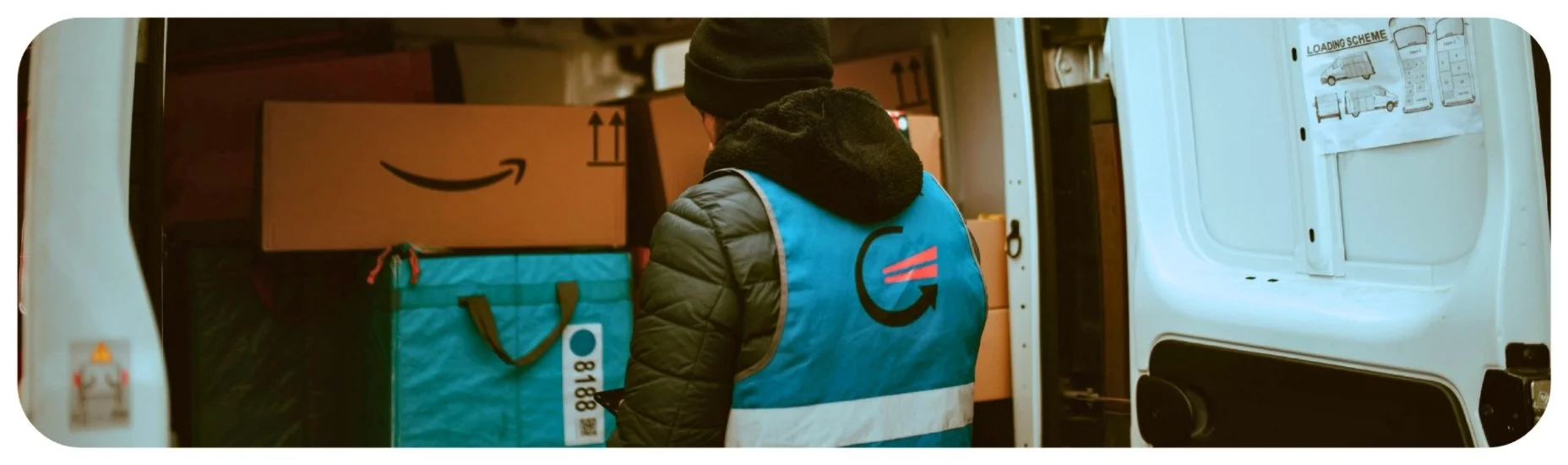
What to Do After a Work-Related Vehicle Accident in Iowa?
A work-related vehicle crash can be overwhelming. The steps you take immediately after the accident can protect your health, preserve evidence, and strengthen both your workers’ compensation and any third-party claims.
Get to Safety. If possible, move yourself and others to a safe location away from traffic or other hazards. Once you’re in a safe place, take a moment to assess your surroundings and make sure it’s safe to remain there until help arrives.
Call 911. Report the crash right away. Emergency responders will provide medical care, assist the injured, and prepare an official accident report. This report is especially important in work-related vehicle crashes, where multiple parties may be involved and liability can be disputed.
Gather Information and Evidence. If you are able, collect the other driver’s name, license plate, and insurance information. Write down your employer’s vehicle details and note any witnesses to the crash. Take photos or videos of the scene, your injuries, and the surrounding area. These details may prove vital in both your workers’ compensation and personal injury claims.
Report the Injury to Your Employer. Tell your supervisor or employer about the injury as soon as it happens – ideally the same day. Even if the injury seems minor, reporting is critical. Iowa law requires notice within 90 days, but waiting can hurt your claim. Written notice (via text, email, or incident report) is best because it creates a clear record.
Ask for Medical Care. In Iowa, your employer or their insurance carrier usually directs you to an authorized medical provider. Ask where you should go for treatment. If it’s an emergency or if your employer refuses care, go to the ER or your own doctor, but keep records of where and when you sought treatment. Document all symptoms and follow medical advice carefully.
Contact an Attorney. Employers and insurers may act quickly to limit their financial exposure. An experienced Iowa work accident lawyer like Nate can step in immediately to help preserve evidence, handle communications, and pursue both your workers’ compensation and third-party personal injury claims, giving you the best chance at full compensation.
By taking these steps right away, you protect not only your health but also your legal rights. Acting quickly ensures your case is positioned for the strongest possible outcome.
What Damages Can You Recover After a Work-Related Vehicle Accident in Iowa?
In Iowa, employees injured in work-related vehicle accidents may be entitled to compensation from multiple sources. Workers’ compensation provides certain benefits regardless of fault, but it only covers specific categories of losses and is often limited in scope. In some cases, a third-party personal injury claim may also be available – for example, when another driver, contractor, or product manufacturer caused or contributed to the crash. Together, these claims can provide critical financial support and compensation for injured workers and their families.
There are two main paths to recovery after a work-related vehicle accident in Iowa:
Workers’ Compensation Benefits. These benefits cover medical treatment and partial wage replacement, regardless of fault. They may also include permanent disability benefits or death benefits for surviving family members.
Third-Party Personal Injury Claims. These claims are filed against at-fault drivers, contractors, or manufacturers and can provide broader compensation, including pain and suffering, loss of function, and loss of companionship in fatal accidents.
Understanding the difference – and pursuing both when available – ensures injured workers don’t leave money on the table after a serious crash.
Economic Damages
Economic damages cover the measurable financial costs of a work-related vehicle accident. Workers’ compensation pays for some of these expenses, but personal injury claims may allow recovery for additional losses.
Medical Expenses. Workers’ compensation covers reasonable and necessary treatment related to the injury. If there is a third-party personal injury claim, workers’ compensation will typically have a lien on any personal injury settlement for the medical expenses and other costs it paid throughout your claim.
Mileage Reimbursement. Under Iowa law, workers’ compensation must reimburse mileage for travel to and from authorized medical appointments. Mileage must be reimbursed every 50 miles or when treatment is completed – whichever comes first.
Wage Replacement. Temporary benefits are available when a doctor takes you completely off work or when your employer cannot provide work that meets your restrictions.
Permanent Impairment. Workers’ compensation provides compensation for permanent loss of function resulting from the injury. The amount is determined by a statutory formula that varies depending on which body part was injured.
Loss of Earning Capacity. Depending on the type and severity of your injury, workers’ compensation may provide compensation for loss of earning capacity, known as industrial disability. In some cases, a personal injury claim may provide additional compensation beyond what workers’ compensation offers.
Death Benefits. In fatal accidents, workers’ compensation provides weekly benefits and burial expenses. A wrongful death lawsuit against a negligent third party may provide additional compensation for lost financial support and other harms.
Non-Economic Damages
Non-economic damages recognize the personal and emotional impact of a workplace vehicle accident. These are not covered by workers’ compensation but may be recovered through a third-party personal injury lawsuit.
Pain and Suffering. These damages recognize the day-to-day impact of an accident, including ongoing physical pain, emotional distress, anxiety, depression, or loss of enjoyment in hobbies and activities that once brought meaning and comfort.
Loss of Function. Compensation for the permanent or partial loss of use of a body part. Unlike workers’ compensation, there is no statutory cap on these damages – a jury may award any amount it finds fair and reasonable based on the evidence.
In cases involving certain commercial motor vehicles, Iowa law may require the court to reduce a portion of the jury’s noneconomic damages award – including both pain and suffering and loss of function – depending on the amount awarded and the specific facts of the case.
Punitive Damages
Punitive damages are not available in workers’ compensation cases, but they may be awarded in a third-party personal injury lawsuit in rare cases involving extreme recklessness or intentional misconduct – such as drunk driving or deliberate safety violations. These damages are meant to punish wrongdoers and deter similar conduct in the future.
See also: Iowa Wrongful Death Lawyer and Iowa Workers’ Compensation Lawyer.

How Long Do You Have to File a Work-Related Vehicle Accident Claim in Iowa?
In Iowa, strict deadlines apply to both workers’ compensation claims and third-party personal injury lawsuits.
Workers’ Compensation Deadlines. Injured workers must notify their employer of the accident within 90 days. If no weekly benefits are paid, you generally have up to two years from the date of the accident to file a workers’ compensation claim. If weekly benefits are paid, you have three years from the date of the last benefit check to file. Missing these deadlines will bar your claim entirely.
Third-Party Personal Injury Deadlines. If a negligent driver, contractor, manufacturer, or other third party contributed to the crash, you may pursue a personal injury lawsuit. In most cases, these claims must be filed within two years of the accident. Claims involving government entities may have shorter deadlines. Dram shop claims against bars or restaurants for overserving a drunk driver require written notice within six months of the injury.
Because these deadlines are firm and evidence can disappear quickly, it’s important to act right away. Key proof such as vehicle data, maintenance records, surveillance footage, and witness statements can be lost within weeks. An experienced Iowa work-related vehicle accident lawyer like Nate can ensure all notices are filed on time and your rights are fully protected.
See also: Iowa Workers’ Compensation Lawyer and Iowa Drunk Driving Accident Lawyer.
Do You Need a Lawyer After an Iowa Work-Related Vehicle Accident?
Work-related vehicle accidents create a unique legal situation because you may be dealing with multiple insurance companies at the same time – your employer’s workers’ compensation carrier, the at-fault driver’s auto insurer, and sometimes additional commercial or contractor policies. Each one has adjusters, investigators, and defense lawyers working to limit what they pay.
Without your own advocate, it’s easy to be pressured into a quick settlement that fails to account for your medical needs, lost income, reduced earning capacity, and long-term recovery. You may also risk missing out on a valuable third-party claim if you don’t understand how workers’ compensation interacts with personal injury law.
Working with an experienced Iowa work-related vehicle accident lawyer ensures that your case is taken seriously and that every responsible party is identified and pursued for accountability. Nate will investigate the crash, work to secure crucial evidence, and navigate both the workers’ compensation system and any third-party claims – giving you the time and support you need to focus on healing and rebuilding your life.
FAQs
-
In Iowa, a work-related vehicle accident is any crash that occurs while you are performing job-related duties. This can include driving a company vehicle, traveling between job sites, making deliveries, or running errands for an employer.
-
Yes. If you are injured in a work-related car accident in Iowa, workers’ compensation generally covers medical treatment, wage replacement benefits, and permanent disability benefits, regardless of who caused the accident.
-
No. Under Iowa workers’ compensation law, accidents that occur while commuting to or from work are not considered work-related. To qualify, the crash must occur while performing job-related duties, such as traveling between job sites, making deliveries, or running errands for an employer.
-
Yes. You may still qualify for workers’ compensation benefits in Iowa if you were driving your personal vehicle while performing job-related duties, such as traveling to meetings, visiting clients, or making deliveries for your employer.
-
After a work-related vehicle crash in Iowa, move to safety and call 911. Exchange information, photograph the scene, report the accident to your employer, request authorized medical care, and contact an Iowa work-related vehicle accident lawyer to protect your rights.
-
In Iowa, workers’ compensation generally pays for authorized medical treatment following a work-related vehicle accident. If another driver or third-party caused the crash, their liability insurance may also provide compensation through a separate personal injury claim.
-
Usually, no. Under Iowa workers’ compensation law, the employer or its insurance carrier typically chooses the authorized medical provider. If the care provided is inadequate, you may request alternate medical care through the Iowa workers’ compensation system.
-
Yes. If another driver caused a work-related vehicle accident in Iowa, you may pursue a third-party personal injury claim in addition to workers’ compensation. This can allow recovery for pain and suffering and full lost wages not covered by workers’ compensation.
-
Workers’ compensation benefits generally still apply after a work-related vehicle accident in Iowa, regardless of fault. If you pursue a third-party personal injury claim, you may recover compensation if you are less than 51% at fault, though your recovery is reduced by your percentage of fault.
-
If your employer disputes that a vehicle accident occurred during work in Iowa, an Iowa work-related vehicle accident lawyer can help evaluate the facts and gather evidence to determine whether the crash occurred within the scope of employment.
-
After a work-related vehicle accident in Iowa, workers’ compensation benefits may include authorized medical treatment, temporary wage replacement, permanent disability benefits, mileage reimbursement for medical travel, and vocational rehabilitation or retraining when appropriate.
-
Yes. Under Iowa workers’ compensation law, temporary disability benefits may replace a portion of your lost wages if you cannot work or are earning less due to injuries from a work-related vehicle accident.
-
If a work-related vehicle accident in Iowa causes permanent injuries, you may qualify for permanent disability benefits under workers’ compensation law. You may also pursue a third-party personal injury claim for additional compensation beyond workers’ compensation.
-
No. Iowa workers’ compensation does not cover pain and suffering. However, if a work-related vehicle accident was caused by a third party other than your employer, you may be able to recover pain and suffering damages through a separate personal injury lawsuit.
-
If a work-related vehicle accident in Iowa results in death, workers’ compensation may provide burial expenses and death benefits to eligible dependents. In addition, surviving family members may be able to pursue a wrongful death claim against negligent third parties to seek compensation beyond workers’ compensation benefits.
-
Under Iowa workers’ compensation law, a work-related vehicle accident must be reported to your employer within 90 days. Reporting the accident as soon as possible helps avoid disputes and strengthens your workers’ compensation claim.
-
In Iowa, the deadline to file a workers’ compensation claim is two years from the date of injury if no weekly benefits were paid. If weekly benefits were paid, the deadline is three years from the date of the last benefit payment.
-
In Iowa, most third-party personal injury lawsuits arising from a work-related crash must be filed within two years from the date of the accident. Claims involving government vehicles or intoxicated drivers may be subject to additional notice requirements or shorter filing deadlines.
-
Important evidence in an Iowa work-related vehicle accident may include the police report, witness statements, photos or video of the crash, medical records, and employer records showing you were working at the time. This evidence can support workers’ compensation and third-party injury claims.
-
Not without legal advice. Insurance companies often use recorded statements to limit or deny work-related vehicle accident claims. An Iowa work-related vehicle accident lawyer can handle communications on your behalf.
-
Workers injured in work-related vehicle accidents in Iowa may include delivery drivers, construction workers, commercial truck drivers, utility workers, sales representatives, and home healthcare workers.
-
Yes. Employer-required travel between job sites is typically covered under Iowa workers’ compensation law.
-
If you were injured as a passenger in a company vehicle while working in Iowa, you are typically covered by workers’ compensation and may also have a third-party personal injury claim against the at-fault driver.
-
From an Iowa workers’ compensation standpoint, construction work zone vehicle accidents are treated like other work-related crashes, but the presence of multiple contractors or commercial vehicles increases the likelihood of a third-party personal injury claim.
-
After a work-related vehicle accident in Iowa, avoid delaying notice to your employer, missing medical treatment, posting on social media, giving recorded statements, accepting quick settlements, or assuming the insurance company is on your side.
-
If your workers’ compensation claim is denied, you have the right to appeal through the Iowa Workers’ Compensation Commissioner. An Iowa work-related vehicle accident lawyer can help gather evidence and challenge the denial.
-
No. Iowa law prohibits employers from retaliating against employees for filing a workers’ compensation claim. Termination, discipline, or other adverse actions taken in response to a workers’ compensation claim may give rise to a separate legal claim.
-
The timeline depends on the circumstances. Some Iowa work-related vehicle accident cases resolve within a few months, while cases involving serious injuries, ongoing medical treatment, or disputed liability may take longer to resolve.
-
Most Iowa work-related vehicle accident lawyers work on a contingency fee basis, meaning there is no upfront cost. Attorney fees are only paid if compensation is recovered in your work injury case.
-
An Iowa work-related vehicle accident lawyer can help coordinate workers’ compensation and third-party injury claims, handle insurance negotiations, protect your rights, and pursue full compensation for your injuries.
Des Moines Work-Related Vehicle
Accident Lawyer Serving Clients Across Iowa
Nate is based in Des Moines but represents injured workers and families across all 99 counties in Iowa. Whether your accident happened in Des Moines, West Des Moines, Urbandale, Clive, Waukee, Windsor Heights, Ankeny, Johnston, Altoona, Pleasant Hill, Norwalk, Carlisle, Indianola, Winterset, Adel, Van Meter, Ames, Boone, Marshalltown, Grinnell, Newton, Pella, Iowa Falls, Chariton, Centerville, Lamoni, Atlantic, Clarinda, Spencer, Algona, Cedar Rapids, Iowa City, North Liberty, Waterloo, Cedar Falls, Waverly, Decorah, Fort Dodge, Webster City, Mason City, Charles City, Dubuque, Clinton, Bettendorf, Mount Pleasant, Keokuk, Burlington, Ottumwa, Creston, Denison, Council Bluffs, Davenport, Sioux City, or any other community in Iowa, Nate is here to help.
If you’ve been injured in a work-related vehicle accident – or lost a loved one in a fatal crash – you don’t need to keep searching for a “work vehicle accident lawyer near me.” Nate has the skills, resources, and dedication to guide you through the legal process and fight for the compensation you deserve.
Get a Free Consultation with an Iowa
Work-Related Vehicle Accident Lawyer
Nate offers free, confidential consultations to injured workers and families across Iowa. In your consultation, you’ll have the opportunity to share what happened, ask questions, and learn how an experienced Iowa work accident attorney can protect your rights.
Don’t face the insurance companies and legal system alone. Contact Nate today for a free consultation and put a proven Iowa work-related vehicle accident lawyer on your side.