

Car Accidents
Practice Areas > Car Accidents
Iowa Car Accident Lawyer
Car accidents happen in an instant, but the effects can last for months, years, or even a lifetime. Serious injuries, mounting medical bills, lost wages, and the stress of dealing with insurance companies can feel overwhelming. Most people involved in a crash have never been through the process before. They don’t know how fault is determined, what damages they’re entitled to, or whether the insurance company is treating them fairly.
Every year in Iowa, there are more than 50,000 reported crashes – and over 300 fatalities on average. These numbers highlight just how common and devastating traffic accidents can be. Behind each of these numbers are real people and families whose lives are changed by permanent injury, disability, or death.
If you’ve been injured in a car crash, turn to Nate, an experienced Iowa car accident lawyer, for trusted guidance and strong advocacy. Choosing the right Iowa car accident attorney can make all the difference – Nate is ready to fight for you.
Why Choose Nate for Your Iowa Car Accident Claim?
Proven Results. Nate has recovered millions of dollars for Iowans injured in car crashes, drawing on years of experience handling complex accident cases across the state.
Experience with Complex Cases. Car accident cases can quickly become complicated – especially when multiple vehicles, commercial drivers, or disputed fault are involved. Nate has the experience to navigate these complex cases and works to hold all responsible parties accountable.
Resources to Build Your Case. Proving what happened in a car crash can require working with accident reconstruction experts, medical specialists, and investigators. Nate has the resources and relationships to help develop strong evidence that supports your claim from every angle.
No Financial Risk. Nate works on a contingency fee basis – you pay nothing unless he secures a recovery for you. That means you can focus on healing while Nate deals with the insurance companies and the legal details.
Trusted by Iowans. People across Iowa have counted on Nate after serious car accidents and have seen real results. His dedication and advocacy have helped clients rebuild their lives after devastating accidents.




How an Iowa Car Accident Lawyer Can Help You?
After a car crash, insurance companies often act quickly to protect their interests and reduce what they have to pay. An Iowa car accident lawyer works to protect injured drivers, passengers, and families and ensure they receive fair compensation. Here’s how Nate can help:
Uncover Negligence. Nate works to identify what caused the crash, whether it was distracted driving, speeding, impairment, or vehicle defects. He investigates every detail to help determine who was at fault and hold negligent drivers and other responsible parties accountable.
Stand Up to Insurance Companies. After a crash, insurance companies often try to limit payouts or shift blame. Nate knows their tactics and fights to protect his clients’ rights, working to ensure injured drivers and passengers receive the compensation they deserve.
Navigate Insurance Coverage. Car accidents can involve multiple policies, including those of the at-fault driver, the victim’s own coverage, or uninsured and underinsured motorist protection. Nate reviews all available options to help maximize your recovery.
Advance Costs. Nate covers the upfront costs needed to move your case forward, including filing fees, expert analysis, and investigations. You won’t pay these expenses unless a recovery is made.
Ready for Trial. If a fair settlement isn’t possible, Nate is fully prepared to take your case to court and fight for full accountability and fair compensation.
Securing fair compensation after a car accident can be challenging. Insurance companies often act quickly to reduce what they have to pay and protect their bottom line. Nate understands how these companies operate and works to protect your rights while pursuing the full recovery you and your family deserve.
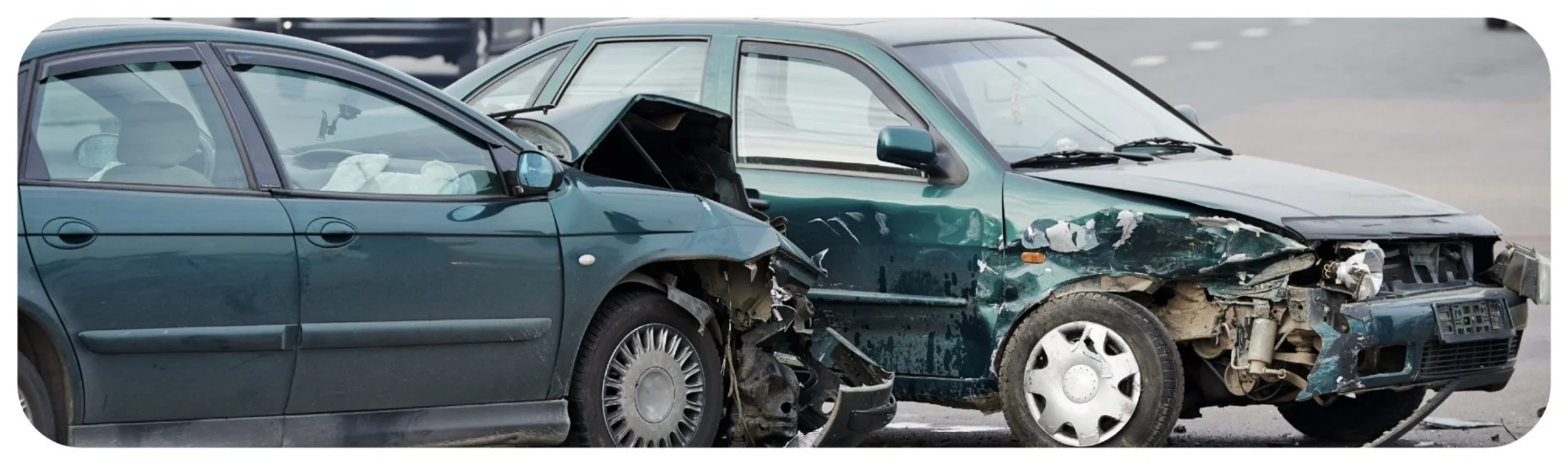
What Are the Most Common Types of Car Accidents in Iowa?
Car accidents can happen in many ways and can result in serious injuries to drivers, passengers, and pedestrians. Some of the most common types of car accidents include:
Truck Accidents. Collisions with semi-trucks and other commercial vehicles can cause catastrophic injuries due to their size and weight. These cases may involve violations of safety regulations, driver fatigue, or poor maintenance practices.
Passenger Vehicle Accidents. The most common crashes involve standard cars and SUVs, often caused by speeding, distracted driving, or failure to yield. These accidents can result in serious injuries and disputes over fault, requiring careful investigation to determine liability and recover full compensation.
Pedestrian Accidents. When drivers speed, get distracted, or fail to yield, pedestrians are at extreme risk. These crashes can cause severe injuries and often require careful investigation to determine fault and recover fair compensation.
Bicycle Accidents. Bicyclists have little protection in a crash and are vulnerable to serious injuries. Common causes include driver inattention, unsafe passing, or failure to share the road.
Motorcycle Accidents. Motorcyclists are often unfairly blamed after collisions, even when another driver is at fault. These crashes frequently result from drivers failing to see motorcycles or turning left across their path.
Drunk Driving Accidents. Crashes caused by impaired drivers are entirely preventable and can have devastating results. Claims may include actions against both the driver and, in some cases, the establishment that overserved them under Iowa’s dram shop law.
Delivery Driver Accidents. With more delivery vehicles on Iowa roads, crashes involving Amazon, FedEx, UPS, or food delivery drivers are on the rise. These cases can involve complicated insurance and employer liability issues.
Work-Related Vehicle Accidents. When a crash happens during work or involves someone driving for their job, both personal injury and workers’ compensation claims may apply. Coordinating these claims helps maximize recovery.
Car accidents can have devastating consequences, leaving drivers, passengers, and families facing serious injuries, medical expenses, and long recoveries. Nate helps cut through insurance obstacles, guides you through your options, and works to secure the compensation you need to move forward.
See also: Iowa Wrongful Death Lawyer and Iowa Work-Related Vehicle Accident Lawyer.
What Are the Most Common Car Accident Injuries in Iowa?
As an Iowa catastrophic injury and wrongful death lawyer, Nate knows that car crashes can result in everything from painful soft tissue injuries to life-changing disabilities and even death. Some of the most common injuries in Iowa car accidents include:
Whiplash and Soft Tissue Injuries. Sudden impact can strain muscles, tendons, and ligaments in the neck, back, or shoulders. These injuries often cause pain, stiffness, and headaches, especially after rear-end collisions.
Broken Bones and Fractures. Crashes can cause broken arms, legs, ribs, or hips. Some fractures heal with casting, while others require surgery or implants, leading to long recoveries.
Head and Traumatic Brain Injuries (TBI). Concussions and other brain injuries can affect memory, mood, and coordination. Even mild TBIs may cause headaches and dizziness, while severe cases can require extensive treatment and therapy.
Spinal Cord and Back Injuries. Collisions can cause herniated discs, nerve damage, or spinal fractures. In the most serious cases, spinal cord damage can lead to paralysis or permanent loss of mobility.
Amputations. Severe crashes may cause the loss of a limb or require surgical amputation. These life-changing injuries can involve prosthetics, rehabilitation, and major emotional adjustment.
Burn Injuries. Fires, fuel leaks, or chemical exposure can cause burns ranging from mild to life-threatening. Treatment can involve skin grafts, multiple surgeries, and long-term recovery.
Facial Injuries and Scarring. Airbags, shattered glass, or impact with the steering wheel can cause facial fractures, eye injuries, or deep cuts. These may require reconstructive surgery and can leave lasting scars.
Wrongful Death. The most tragic result of a crash is the loss of life. Families face both emotional devastation and financial hardship, and a wrongful death claim can help provide justice and support.
Injuries from a car crash can impact every part of life, from your health and mobility to your ability to work and care for your family. As an experienced Iowa car accident lawyer, Nate is dedicated to helping victims and their families recover the compensation they need for medical treatment, rehabilitation, and long-term stability.

What Damages Can You Recover After a Car Accident in Iowa?
In Iowa, people injured in car accidents may be entitled to financial compensation, known as damages, from those responsible for the crash. These damages typically fall into three categories: economic damages, non-economic damages, and punitive damages. In most cases, the compensation is paid by the insurance company for the at-fault driver, not directly by the driver.
Economic Damages
These damages compensate for the direct financial costs of a crash. They cover both past expenses you’ve already incurred and future expenses you’re likely to face, such as medical bills, lost income, and reduced earning capacity.
Medical Expenses. This includes the cost of ambulance transport, hospital stays, surgeries, physical therapy, medications, and any future medical treatment you may need.
Lost Wages. If your injuries prevent you from working, you can recover the income you lost while you were unable to work.
Loss of Earning Capacity. If your injuries reduce your ability to work in the future – for example, if you can no longer perform the same job or work the same hours – you may be entitled to damages for lost earning potential.
Non-Economic Damages
These damages recognize the human impact of an injury beyond dollars and cents. They account for the physical pain, emotional distress, loss of enjoyment of life, and the loss of function that can make everyday activities and independence more difficult after a serious accident.
Pain and Suffering. Compensation for the physical pain and emotional distress caused by the crash and its aftermath.
Loss of Function. When an injury limits your ability to use a body part or engage in daily activities, you may be entitled to damages for permanent or partial loss of function.
Punitive Damages
Unlike economic and non-economic damages, punitive damages are not meant to compensate the victim. They are intended to punish especially reckless or intentional conduct – such as drunk driving – and to deter others from acting the same way. In Iowa, they are awarded only in rare, extreme cases.
What to Do After a Car Accident in Iowa?
Knowing what to do after a car accident is essential. Taking the right steps can make a major difference in protecting your health and the outcome of your case. Below are important steps to follow after a car accident in Iowa.
Get to Safety. If possible, move your vehicle to a safe location out of traffic. Check on other drivers, passengers, or pedestrians nearby, but avoid putting yourself in additional danger.
Call 911. Report the crash immediately. Emergency responders can provide medical assistance, secure the scene, and create an official accident report. This report will be critical for insurance claims and determining fault.
Gather Information and Evidence. If you are able, exchange information with the other driver, including names, contact details, driver’s license numbers, insurance information, and vehicle plates. Take photos or videos of the vehicles, roadway, damage, and any visible injuries. If there are witnesses, ask for their contact information, as their statements may support your claim later.
Get Medical Attention. Even if you feel fine, some car accident injuries – such as whiplash or internal trauma – can take hours or days to appear. Get evaluated by a doctor, follow their treatment plan, and keep records of all visits, bills, and symptoms.
Contact an Attorney. Before speaking with insurance adjusters or signing any documents, consult an experienced Iowa car accident lawyer. An attorney can help preserve evidence, handle communications with insurers, and protect your rights while you focus on recovery.
Taking these steps can protect your health and your legal rights. As an experienced Iowa car accident attorney, Nate is here to guide you through the process and fight for the compensation you deserve.
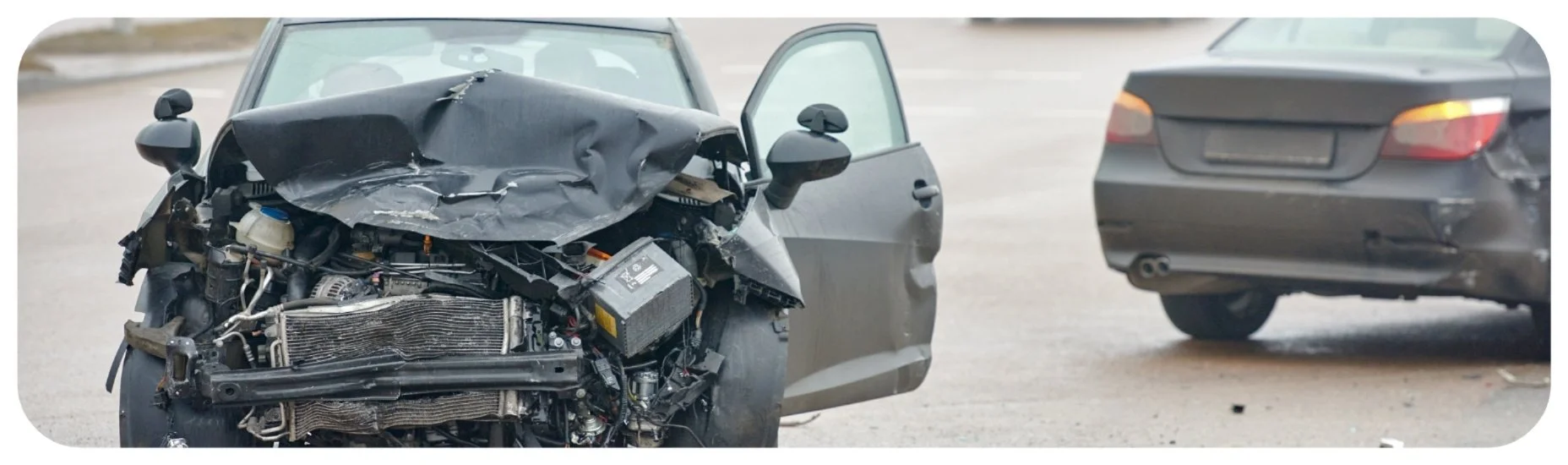
Who Pays for Damages After a Car Accident in Iowa?
In most cases, the at-fault driver’s insurance company pays for damages such as medical bills, lost wages, property damage, and pain and suffering. In serious crashes, more than one policy may apply, including the driver’s coverage, the vehicle owner’s policy, or an employer’s commercial insurance if the driver was working at the time. An experienced Iowa car accident attorney knows how to identify every available policy and hold the right parties accountable.
If the at-fault driver has no insurance or not enough coverage, you may still be able to recover compensation through your own uninsured or underinsured motorist (UM/UIM) policy. An experienced Iowa car accident lawyer can review your policies, explain how coverage applies, and pursue all possible sources of recovery so you do not miss out on the compensation you deserve.
See also: Iowa Uninsured Accident Lawyer and Iowa Underinsured Accident Lawyer.
How Long Do You Have to File an Iowa Car Accident Claim?
In Iowa, the statute of limitations for most car accident claims is two years from the date of the crash. This deadline is strict – if you miss it, you will lose your right to recover compensation entirely.
However, depending on the facts of your case, the time frame may be much shorter. For example, Iowa’s dram shop law requires written notice to be given within six months if a bar or restaurant over-served the driver who caused the crash. Claims involving government entities may also have shorter deadlines and special requirements.
That makes it all the more important to get started right away. Evidence can disappear quickly, and deadlines come faster than most people expect. If you think you may have a case, reach out to an experienced Iowa car accident attorney like Nate right away to protect your rights.
Do You Need a Lawyer After an Iowa Car Accident?
Insurance companies have adjusters and lawyers protecting their bottom line. Without your own advocate, it’s easy to be pressured into a settlement that doesn’t cover your true losses. Working with an experienced Iowa car accident attorney ensures that your claim is taken seriously. Nate will investigate the crash, gather evidence, handle negotiations with insurers, and fight for full and fair compensation so you can focus on healing and rebuilding your life.
FAQs
-
After a car accident in Iowa, move to a safe location and call 911. Exchange information with the other driver, take photos of the scene, and seek medical care as soon as possible. Before speaking with insurance companies, consider contacting an Iowa car accident lawyer to protect your rights.
-
Yes. Iowa law requires you to report a car accident if it involves injury, death, or at least $1,500 in property damage. If law enforcement does not respond to the scene, you must file a crash report with the Iowa Department of Transportation (DOT) within 72 hours.
-
Yes. In Iowa, you can still file an insurance or personal injury claim even if police did not respond to the accident. Your claim may be supported using photos, witness statements, medical records, repair estimates, and other evidence instead of a police report.
-
At the scene of a car accident, collect the other driver’s name, contact and insurance information, driver’s license and vehicle details, license plate number, photos of the scene, vehicle damage and injuries, and the names and contact information of any witnesses.
-
You should notify your insurance company that an accident occurred, but avoid giving recorded statements or detailed explanations until you have spoken with an Iowa car accident lawyer. Insurance adjusters often use early statements to limit or deny compensation.
-
Yes. Some car accident injuries may not cause immediate symptoms. Getting medical care right away helps protect your health, creates medical records, and supports an Iowa car accident claim if injuries appear later.
-
Delayed symptoms after a car accident are common. Seek medical care as soon as symptoms appear and document all treatment and changes in your condition. Injuries that appear later can still be included in an Iowa car accident claim.
-
Often, yes. Medical bills are often paid first by your health insurance after an Iowa car accident. The at-fault driver’s auto insurance may later be responsible for reimbursing those expenses through a settlement or judgment.
-
After an Iowa car accident, keep copies of all medical records, take photos of visible injuries, track symptoms and pain levels daily, save related bills and receipts, and follow all recommended treatment plans.
-
Ideally, you should see a doctor within 24 to 72 hours after a car accident in Iowa. Prompt medical evaluation helps protect your health and helps clearly connect your injuries to the accident.
-
Fault in an Iowa car accident is determined by reviewing police reports, photos, witness statements, traffic laws, vehicle damage, and sometimes expert analysis. Insurance companies use this evidence to evaluate liability under Iowa law.
-
You may still recover compensation if you are less than 51% at fault. Under Iowa’s modified comparative fault law, your total recovery is reduced by your percentage of fault.
-
Usually, the rear driver is considered at fault, but there are exceptions, such as sudden or unsafe stops or mechanical defects. Liability depends on the specific facts of the crash under Iowa law.
-
Often yes, but not always. If the other driver stopped suddenly, cut you off, or had defective brake lights, fault may be shared or shifted under Iowa law.
-
After a car accident in Iowa, medical bills are often paid first by your health insurance. The at-fault driver’s auto insurance may later be responsible for reimbursing those expenses through a settlement or judgment. If the driver is uninsured or underinsured, your own uninsured or underinsured motorist coverage may also apply.
-
Your uninsured or underinsured motorist coverage may help pay for medical expenses, lost income, pain and suffering, and loss of mobility or function after an accident. An Iowa car accident attorney can help identify all available insurance coverage.
-
Yes. A claim may involve the at-fault driver’s insurance, the vehicle owner’s policy, your uninsured or underinsured motorist coverage, and possibly commercial or employer insurance if the driver was working at the time.
-
Yes. Even in snow, ice, or fog, drivers in Iowa must adjust their behavior to road conditions. Failing to drive safely for the weather can still be considered negligence under Iowa law.
-
If the at-fault driver was working at the time of the crash, the employer may be legally responsible. These claims often involve commercial insurance policies and require careful investigation under Iowa law.
-
Report the hit-and-run to the police immediately. You may still be able to recover compensation through uninsured motorist coverage or other available insurance options under Iowa law.
-
You may be able to recover compensation for medical expenses, lost income, pain and suffering, and loss of mobility or function under Iowa law.
-
Yes. Iowa personal injury law allows compensation for emotional distress, including stress, anxiety, post-traumatic stress disorder (PTSD), and reduced quality of life caused by a car accident.
-
The at-fault driver’s insurance usually pays for vehicle repair costs, the replacement value if the car is totaled, and sometimes rental car expenses depending on the policy and circumstances.
-
Most Iowa car accident claims must be filed within two years. Some cases, including those involving government vehicles or dram shop claims, may have shorter deadlines under Iowa law. Because missing a deadline can permanently bar your claim, it is important to contact an attorney as soon as you believe you may have a valid claim.
-
You are not required to hire a lawyer, but an Iowa car accident attorney can help protect your rights, build your case, and negotiate with insurance companies to pursue fair compensation.
-
The timeline depends on the circumstances. Minor claims may settle within a few months, while cases involving serious injuries or disputed fault can take longer. An Iowa car accident attorney can help move the process forward as efficiently as possible.
-
Once you accept and sign a settlement, it is final. If your injuries worsen or new issues arise later, you generally cannot seek additional compensation under Iowa law.
-
Yes. Passengers may seek compensation from any at-fault driver, including the driver of the vehicle they were riding in, under Iowa law.
-
Yes. A wrongful death claim may be filed by the personal representative of the deceased person’s estate, a role often served by a family member. Eligible family members may also pursue loss of consortium damages for the loss of their relationship with their loved one.
-
Common mistakes include delaying medical care, admitting fault, giving recorded statements to insurance adjusters, posting about the accident on social media, and accepting early settlement offers without legal advice.
Des Moines Car Accident Lawyer Serving Clients Across Iowa
Nate is a car accident lawyer based in Des Moines, but he represents injured drivers, passengers, bicyclists, and pedestrians throughout the entire state. Whether you live in Des Moines, West Des Moines, Urbandale, Clive, Waukee, Windsor Heights, Ankeny, Johnston, Altoona, Pleasant Hill, Norwalk, Carlisle, Indianola, Winterset, Adel, Van Meter, Ames, Boone, Marshalltown, Grinnell, Newton, Pella, Iowa Falls, Chariton, Centerville, Lamoni, Atlantic, Clarinda, Spencer, Algona, Cedar Rapids, Iowa City, North Liberty, Waterloo, Cedar Falls, Waverly, Decorah, Fort Dodge, Webster City, Mason City, Charles City, Dubuque, Clinton, Bettendorf, Mount Pleasant, Keokuk, Burlington, Ottumwa, Creston, Denison, Council Bluffs, Davenport, Sioux City, or any other community in Iowa, Nate is here to help.
If you or a loved one has been injured in a crash, you don’t need to keep searching for a “car accident lawyer near me.” Nate helps clients across all 99 counties in Iowa and is ready to fight for the compensation you deserve.
Get a Free Consultation with an Iowa Car Accident Lawyer
Nate offers free, confidential case evaluations to anyone injured in a car accident. During your consultation, you can share what happened, get answers to your questions, and learn how an experienced Iowa car accident lawyer can help you pursue the compensation you deserve.