

Swimming Pool Accidents
Practice Areas > Swimming Pool Accidents
Iowa Swimming Pool Accident Lawyer
Swimming pools should be places of recreation and relaxation – but when property owners, lifeguards, or businesses fail to keep them safe, the consequences can be devastating. Slippery decks, defective equipment, poor supervision, and lack of safety barriers can all lead to tragic accidents. Victims of swimming pool negligence can suffer serious injuries such as drowning, traumatic brain injury, spinal cord damage, or permanent disability. Families may be left facing overwhelming medical bills, long-term care needs, or the unimaginable loss of a loved one.
Every year in the United States, thousands of children are injured in pool or spa accidents, from 2019 to 2021 alone, over 350 children tragically drowned. Nearly three out of four of these deaths involved children under the age of five. These numbers show how serious and preventable pool accidents can be. Behind each statistic are families forever changed by the sudden loss of a child or the lasting effects of a near-drowning.
If you or a loved one has been injured in a swimming pool accident, contact Nate today. As an Iowa swimming pool accident lawyer, he will stand with you, protect your rights, and pursue the compensation you and your family deserve.
Why Choose Nate for Your Iowa Swimming Pool Accident Claim?
Proven Results. Nate has recovered millions of dollars for injured Iowans, drawing on years of experience handling complex accident cases across the state.
Experience with Complex Cases. Swimming pool accidents can involve multiple potential sources of liability – property owners, operators, maintenance companies, lifeguards, or organizations responsible for supervision. Nate understands how to assess these situations, whether the case involves drowning, near-drowning, inadequate supervision, defective pool equipment, or unsafe conditions, and works to determine who should be held accountable.
Resources to Build Your Case. Proving what led to a swimming pool injury can require examining maintenance records, safety protocols, surveillance footage, witness statements, and expert evaluations. Nate has the resources and relationships needed to gather strong evidence and build a clear, well-supported claim.
No Financial Risk. Nate handles cases on a contingency fee basis – meaning you pay nothing unless he secures a recovery for you. This approach allows you to concentrate on healing while Nate takes on the insurance companies.
Trusted by Iowans. Families across Iowa have turned to Nate in their most difficult times and have seen real results. His dedication and advocacy have helped clients rebuild their lives after devastating accidents.




How an Iowa Swimming Pool Accident Lawyer Can Help You?
After a swimming pool accident, property owners and their insurance companies often act quickly to limit responsibility. An Iowa swimming pool accident lawyer works to protect injured individuals and families and help ensure they receive fair compensation. Here’s how Nate can help:
Uncover Negligence. Nate works to determine what caused the incident – whether it involved inadequate supervision, missing or defective safety equipment, poor maintenance, slippery surfaces, overcrowded facilities, or violations of pool safety regulations. He investigates the conditions thoroughly to help identify who was responsible and how the injury could have been prevented.
Stand Up to Insurance Companies. After a pool-related injury, insurers may try to shift blame onto the victim or argue that the risks were “obvious.” Nate pushes back against these tactics and stands up for his clients, working to ensure responsible parties are held accountable.
Navigate Insurance Coverage. Swimming pool accidents may involve multiple insurance policies, including homeowner’s insurance, commercial property coverage, municipal or public pool policies, or coverage for lifeguards or maintenance contractors. Nate reviews all available options to help maximize your recovery.
Advance Costs. Nate advances the costs needed to pursue your case – including filing fees, expert witnesses, and investigations – so you can focus on recovery instead of expenses.
Ready for Trial. If settlement negotiations fail, Nate is prepared to take your case to court and fight for full accountability and fair compensation.
Swimming pool accidents can lead to severe and life-altering injuries. Nate understands how insurance companies handle these claims and works to protect your rights while pursuing the full recovery you and your family deserve.
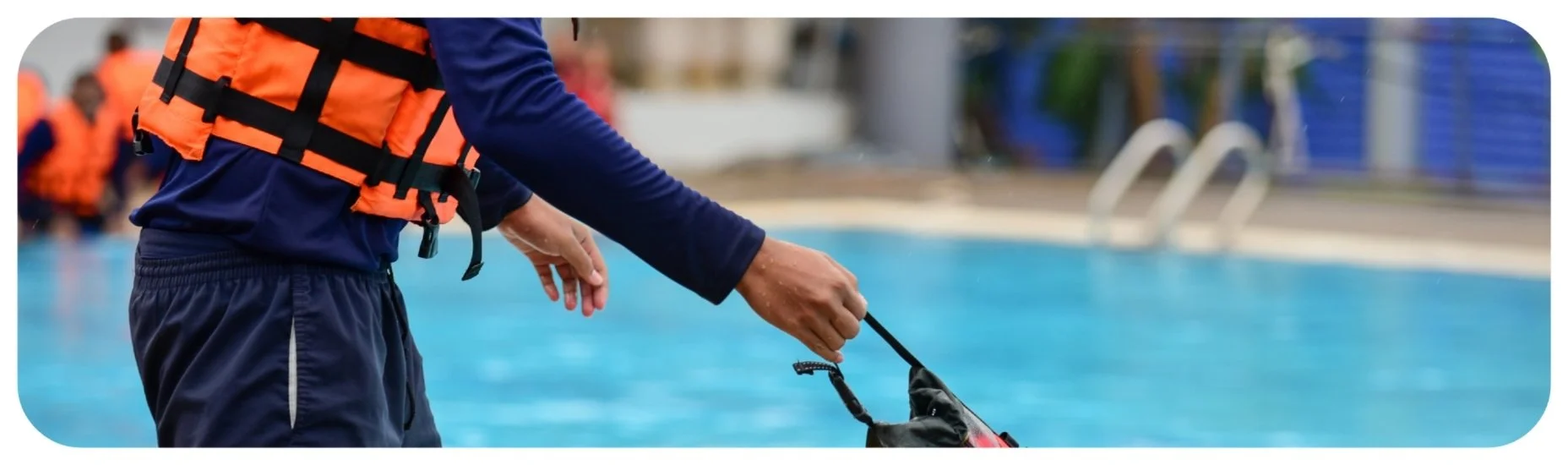
What Are the Most Common Types of Swimming Pool Accidents in Iowa?
Swimming pool accidents can happen in many ways and can result in severe injuries – especially when proper safety measures are not followed. Some of the most common types of swimming pool accidents include:
Drowning and Near-Drowning Incidents. These are among the most serious pool-related accidents, often caused by inadequate supervision, missing barriers, faulty gates, or a failure to follow basic safety protocols. Near-drowning incidents can lead to long-term brain injuries and other catastrophic harm.
Slip-and-Fall Accidents. Wet, slippery surfaces around pools can cause falls that result in broken bones, head injuries, and spinal damage. These cases often involve failures to maintain safe walkways, improper drainage, or inadequate warning signs.
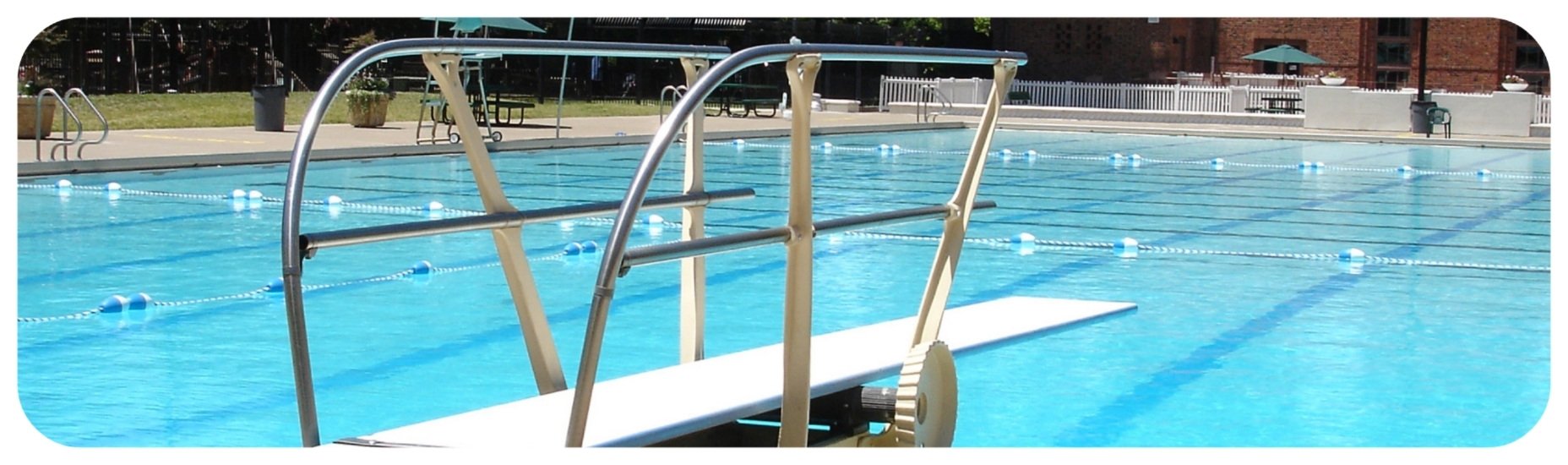
Diving Accidents. Injuries can occur when diving boards are improperly maintained, depth markers are missing, or staff fail to monitor unsafe diving behavior. These incidents can lead to serious head, neck, or spinal cord injuries.
Defective or Dangerous Pool Equipment. Malfunctioning pool drains, pumps, ladders, lighting, or filtration systems can create hidden hazards. Entrapment injuries, electrocution incidents, and other equipment-related accidents may involve claims against manufacturers, installers, or operators.
Chemical Exposure. Improper handling or storage of pool chemicals can cause respiratory issues, chemical burns, and eye injuries. These claims can involve negligent maintenance practices or unsafe chemical levels.
Lack of Lifeguard Supervision. At public pools, water parks, and some private facilities, inadequate or inattentive lifeguard supervision can allow dangerous situations to go unnoticed. Claims may involve failure to monitor swimmers, slow response times, or understaffing.
Pool Party or Event Injuries. Accidents during crowded pool events can result from inadequate staffing, poor crowd control, or insufficient safety measures. Liability may extend to property owners, event organizers, or supervising adults.
Swimming pool accidents can have devastating consequences, leaving victims and families facing medical expenses, rehabilitation needs, and long recoveries. Nate helps cut through insurance obstacles, guides you through your options, and works to pursue the compensation you need to move forward.
See also: Iowa Child Injury Lawyer and Iowa School Liability Lawyer.
What Damages Can You Recover After a Swimming Pool Accident in Iowa?
In Iowa, victims of swimming pool accidents may be entitled to financial compensation, known as damages, from the responsible property owner, business, or operator. Compensation typically falls into three categories: economic damages, non-economic damages, and punitive damages. In most cases, payment comes from the property owner’s or business’s liability insurance, not directly from the negligent individuals or entities.
Economic Damages
These damages cover the measurable financial losses caused by a swimming pool accident. They cover both past expenses you’ve already incurred and future expenses you’re likely to face, such as medical bills, lost income, and reduced earning capacity.
Medical Expenses. Pool accidents can result in emergency care, hospital stays, surgeries, rehabilitation, and long-term treatment. Victims may also need medications, mobility aids, or ongoing therapy.
Lost Wages. If your injuries keep you from working, you can recover the income you lost during recovery.
Loss of Earning Capacity. When injuries prevent you from returning to your prior job or reduce your future earning ability, you may be entitled to damages for diminished earning potential.
Non-Economic Damages
Non-economic damages recognize the personal and emotional toll of a serious swimming pool accident. They account for the physical pain, emotional distress, loss of enjoyment of life, and the loss of function that can make everyday activities and independence more difficult after a serious accident.
Pain and Suffering. Compensation for the physical pain and emotional distress caused by the accident and its aftermath.
Loss of Function. If injuries limit your mobility, independence, or ability to engage in daily activities or recreation, you may be entitled to damages for permanent or partial loss of function.
Punitive Damages
Punitive damages are rare but may be awarded in extreme cases of reckless or intentional misconduct. For example, if a property owner knowingly ignored safety violations, disabled pool alarms, or allowed unsafe conditions to persist, a jury may impose punitive damages to punish that behavior and deter similar negligence in the future.
Who Can Be Held Liable for a Swimming Pool Accident in Iowa?
When a serious swimming pool accident occurs, determining who is responsible is not always straightforward. Many families assume the pool owner is solely at fault, but in reality, several parties may share liability depending on how the incident happened. Identifying every potential source of responsibility is essential to ensuring victims and families have access to the full compensation they may be entitled to.
Possible liable parties in Iowa swimming pool accident cases include:
Private Homeowners. When unsafe pool conditions, such as missing barriers, inadequate supervision, or poor maintenance, at a private residence contribute to an injury.
Landlords or Apartment Complexes. Property owners and managers are responsible for maintaining common-area pools, enforcing safety rules, and ensuring the area meets required safety standards.
Hotels, Motels, and Resorts. These facilities must provide proper safety measures, including functioning equipment, adequate signage, and trained staff when needed.
Waterparks or Public Pools. Crowded or high-activity environments require attentive supervision, appropriate staffing, and compliance with safety regulations to prevent serious injuries.
Municipalities (City or County-Owned Pools). Public entities must operate safe facilities, though claims may involve additional notice requirements and legal deadlines.
Pool Maintenance Companies or Product Manufacturers. When faulty equipment, improper chemical handling, or negligent maintenance plays a role in the accident.
Swimming pool accident cases can involve complex questions of safety standards, supervision, and equipment maintenance. Working with an attorney who understands how to investigate these issues helps ensure every responsible party is identified. Nate works to ensure families are not left carrying the financial burden of medical care, long-term treatment, or a tragic loss.
See also: Iowa Child Injury Lawyer and Iowa School Liability Lawyer.
How Long Do You Have to File an Iowa Swimming Pool Accident Claim?
In Iowa, the statute of limitations for most swimming pool accident claims is two years from the date of the incident. This is a strict deadline – if you miss it, you lose your right to pursue compensation entirely.
However, the exact timeline can vary depending on who the defendant is. For example, cases involving a city, county, or other government-owned pool may have shorter notice requirements and stricter filing deadlines. That’s why it’s important to act quickly and ensure your claim is filed properly.
Taking prompt action is critical. Evidence such as surveillance footage, maintenance logs, witness statements, and safety inspection records can disappear or be destroyed in the weeks and months after an accident. If you believe you may have a case, contact an Iowa swimming pool accident lawyer like Nate right away to protect your rights and begin building the strongest claim possible.
Do You Need a Lawyer After an Iowa Swimming Pool Accident?
Property owners, landlords, hotels, and their insurers often act quickly after a swimming pool accident, working to deny responsibility or shift blame onto the victim. Their goal is simple: limit their financial exposure. Families, meanwhile, may face mounting medical bills, lost income, and the stress of navigating the aftermath of a preventable tragedy.
Having an Iowa swimming pool accident lawyer on your side levels the playing field. Nate will work to secure critical evidence like surveillance footage, maintenance logs, and witness statements, challenge the tactics used by powerful insurance companies, and handle negotiations on your behalf. While you focus on healing and supporting your family, Nate fights for full and fair compensation to cover your medical expenses, long-term care, and other needs.
FAQs
-
After a swimming pool accident in Iowa, you should seek medical care, report the incident, document the scene with photos or videos, gather witness information, and contact an Iowa swimming pool accident lawyer before speaking with insurance adjusters.
-
Yes. Most swimming pool accident claims in Iowa fall under premises liability law, which requires property owners to maintain reasonably safe swimming pool areas for guests, residents, and lawful visitors.
-
Depending on where the accident occurred, responsible parties in an Iowa swimming pool accident may include homeowners, landlords, apartment complexes, hotels, water parks, pool operators, maintenance companies, or government entities that failed to maintain safe pool conditions.
-
Yes. Iowa law allows parents or legal guardians to file a swimming pool injury claim on behalf of a child who was injured or nearly drowned. These claims may include compensation for medical expenses, pain and suffering, long-term impairment, rehabilitation, and future treatment needs.
-
In Iowa, a property owner may be held liable if a child wanders into an unsecured swimming pool and the owner failed to install or maintain required safety measures. These may include proper fencing, self-latching gates, pool covers, or alarms, especially when children were reasonably foreseeable entrants.
-
Negligence in an Iowa swimming pool accident may include inadequate supervision, broken or missing safety equipment, slippery or poorly maintained surfaces, unsafe diving conditions, improper pool chemical levels, or the failure to install or maintain required fencing, gates, or other safety barriers.
-
Yes. In Iowa, the absence of a lifeguard may be evidence of negligence if a pool was required to provide trained supervision and that lack of staff contributed to delayed rescue, inadequate monitoring, or a preventable injury.
-
An injury at a neighbor’s swimming pool does not automatically create liability, but in Iowa, a claim may be possible if the homeowner failed to act reasonably to prevent unsafe pool conditions.
-
Injuries in Iowa swimming pool accidents may include drowning and near-drowning injuries, traumatic brain injuries, spinal cord damage, broken bones, chemical burns, slip-and-fall injuries, and head or neck trauma.
-
If defective pool equipment contributed to an injury in Iowa, you may have a claim against the manufacturer or others involved in designing, making, selling, or servicing the equipment. These cases are often more complex and typically require expert analysis.
-
Yes. In Iowa, improper handling or maintenance of swimming pool chemicals may lead to liability if chemical exposure causes injuries such as chemical burns, respiratory problems, eye injuries, or other health complications.
-
In most Iowa swimming pool cases, compensation is paid through homeowner’s insurance, commercial liability insurance, or municipal insurance policies, rather than directly by the property owner.
-
An Iowa swimming pool accident claim may recover compensation for medical expenses, lost income, pain and suffering, and loss of mobility or function.
-
Yes. Iowa law allows people injured in swimming pool accidents to seek compensation for future medical care, rehabilitation, medication costs, and long-term care when injuries are permanent or ongoing.
-
Under Iowa’s modified comparative fault rule, you may recover compensation in a swimming pool accident claim if you were less than 51 percent at fault, although your damages are reduced by your share of responsibility.
-
Yes. In Iowa, serious swimming pool accidents at public or commercial pools often must be reported to local inspection or regulatory authorities. These reports can help document what happened and may serve as important evidence in a swimming pool injury claim.
-
Important evidence in an Iowa swimming pool accident case may include photos or videos showing unsafe pool conditions, incident or inspection reports, maintenance and repair records, safety policies, witness statements, surveillance footage, and medical records linking the injuries to the accident.
-
Yes. Swimming pool accident claims involving city- or county-owned pools in Iowa may be allowed under state law, but special notice requirements and immunity rules can apply.
-
Most swimming pool accident claims in Iowa must be filed within two years of the injury. Claims involving city or county pools may have shorter notice deadlines under Iowa law. Because missing a deadline can permanently bar your claim, it is important to contact an attorney as soon as you believe you may have a valid claim.
-
Every swimming pool accident case in Iowa is different. The value of a case depends on several factors, including the seriousness of the injuries, the evidence showing who was responsible, and the available insurance coverage.
-
Not before speaking with an attorney. Insurance companies often try to obtain recorded statements that can be used to limit or deny an Iowa swimming pool accident claim. An Iowa swimming pool accident lawyer can handle communications on your behalf.
-
Yes. A wrongful death claim arising from a fatal drowning or other pool-related death may be filed by the personal representative of the deceased person’s estate, a role often served by a family member. Eligible family members may also pursue loss of consortium damages for the loss of their relationship with their loved one.
-
Yes. In Iowa, responsibility for a swimming pool accident can be shared by multiple parties, including school districts, property owners, pool operators, maintenance companies, or equipment manufacturers. Iowa’s comparative fault law allows liability to be divided based on each party’s role in causing the injury.
-
You are not required to hire a lawyer, but an Iowa swimming pool accident lawyer can help protect your rights, strengthen your claim, and negotiate with insurers for fair compensation.
-
An Iowa swimming pool accident lawyer can investigate the incident, preserve critical evidence, communicate with insurance companies, identify all potentially liable parties, and pursue full and fair compensation so you can focus on medical treatment and recovery.
Des Moines Swimming Pool Accident Lawyer Serving Clients Across Iowa
Nate is a swimming pool accident lawyer based in Des Moines, but he represents individuals and families across Iowa who have been harmed due to unsafe pools, negligent supervision, or inadequate safety measures. Whether you live in Des Moines, West Des Moines, Urbandale, Clive, Waukee, Windsor Heights, Ankeny, Johnston, Altoona, Pleasant Hill, Norwalk, Carlisle, Indianola, Winterset, Adel, Van Meter, Ames, Boone, Marshalltown, Grinnell, Newton, Pella, Iowa Falls, Chariton, Centerville, Lamoni, Atlantic, Clarinda, Spencer, Algona, Cedar Rapids, Iowa City, North Liberty, Waterloo, Cedar Falls, Waverly, Decorah, Fort Dodge, Webster City, Mason City, Charles City, Dubuque, Clinton, Bettendorf, Mount Pleasant, Keokuk, Burlington, Ottumwa, Creston, Denison, Council Bluffs, Davenport, Sioux City, or any other community in Iowa, Nate is here to help.
If you or a loved one has been injured in a swimming pool accident, you don’t need to keep searching for a “swimming pool accident lawyer near me.” Nate represents clients in all 99 counties of Iowa and is prepared to fight for the justice and compensation you deserve.
Get a Free Consultation with an Iowa Swimming Pool Accident Lawyer
Nate offers free, confidential case evaluations to anyone injured in a swimming pool accident. During your consultation, you can explain what happened, ask questions, and learn how an experienced Iowa swimming pool accident lawyer can protect your rights and pursue the compensation you deserve.