

Premises Liability
Practice Areas > Premises Liability
Iowa Premises Liability Lawyer
Everyday activities like shopping, visiting an apartment complex, or walking through a hotel lobby shouldn’t end in serious injuries. But when property owners, managers, or businesses fail to keep their premises safe, the consequences can be devastating. Slippery floors, broken handrails, inadequate lighting, falling merchandise, and unsafe sidewalks are all hazards that can cause life-changing accidents.
Premises liability accidents are different from ordinary injury claims. These cases often involve landlords, commercial businesses, municipalities, or large property management companies – and their insurers act quickly to avoid responsibility. Victims can be left facing hospital bills, lost wages, and long recoveries while corporations deny negligence. Nate has recovered millions for injured Iowans and works to hold property owners accountable when unsafe conditions cause harm.
If you or a loved one has been injured on unsafe property, you deserve more than quick answers from an insurance adjuster. You deserve a strong advocate. Nate is committed to standing up for Iowans, protecting their rights, and fighting for the compensation they need to move forward.
Why Choose Nate for Your Iowa Premises Liability Claim?
Proven Results. Nate has recovered millions of dollars for injured Iowans, drawing on years of experience handling complex accident cases across the state.
Experience with Complex Cases. Premises liability claims can involve disputed notice of the hazard, multiple responsible parties, and complex safety standards. Nate understands how to navigate these issues and works to prove how the property owner failed to keep visitors safe.
Resources to Build Your Case. Demonstrating that a property owner knew or should have known about a dangerous condition can require investigators, safety experts, and thorough documentation. Nate has the resources and relationships to gather strong evidence and build a clear, compelling case.
No Financial Risk. Nate handles cases on a contingency fee basis – meaning you pay nothing unless he secures a recovery for you. This approach allows you to concentrate on healing while Nate takes on the insurance companies.
Trusted by Iowans. Families across Iowa have turned to Nate in their most difficult times and have seen real results. His dedication and advocacy have helped clients rebuild their lives after devastating accidents.




How Can an Iowa Premises Liability Lawyer Help You?
When someone is hurt because of unsafe conditions on someone else’s property, insurance companies and property owners often act quickly to deny responsibility. An Iowa premises liability lawyer works to protect injured visitors and ensure they receive fair compensation. Here’s how Nate can help:
Uncover Negligence. Nate works to identify what caused the injury – whether it was a slippery floor, uneven walkway, poor lighting, inadequate security, falling objects, or other dangerous conditions. He investigates every detail to determine how the property owner failed to keep the premises safe and who is responsible.
Stand Up to Insurance Companies. Property owners and their insurers often try to shift blame onto the injured person or claim they “should have seen” the hazard. Nate understands these tactics and stands up for his clients at every step, fighting to ensure injured Iowans are treated fairly and receive the compensation they deserve.
Navigate Insurance Coverage. Premises liability cases can involve multiple parties and insurance policies, including commercial property insurance, homeowners insurance, and sometimes third-party contractors. Nate reviews all available coverage to help maximize your recovery.
Advance Costs. Nate covers the upfront costs needed to move your case forward, including filing fees, expert analysis, and investigations. You won’t pay these expenses unless a recovery is made.
Ready for Trial. If a fair settlement isn’t possible, Nate is fully prepared to take your case to court and fight for full accountability and fair compensation.
Unsafe property conditions can lead to serious and life-altering injuries. Property owners and insurers often move quickly to minimize their responsibility. Nate understands how these companies operate and works to protect your rights while pursuing the full recovery you and your family deserve.

What Types of Premises Liability Accidents Happen Most in Iowa?
Premises liability accidents take many forms, and each requires careful investigation. Some of the most common include:
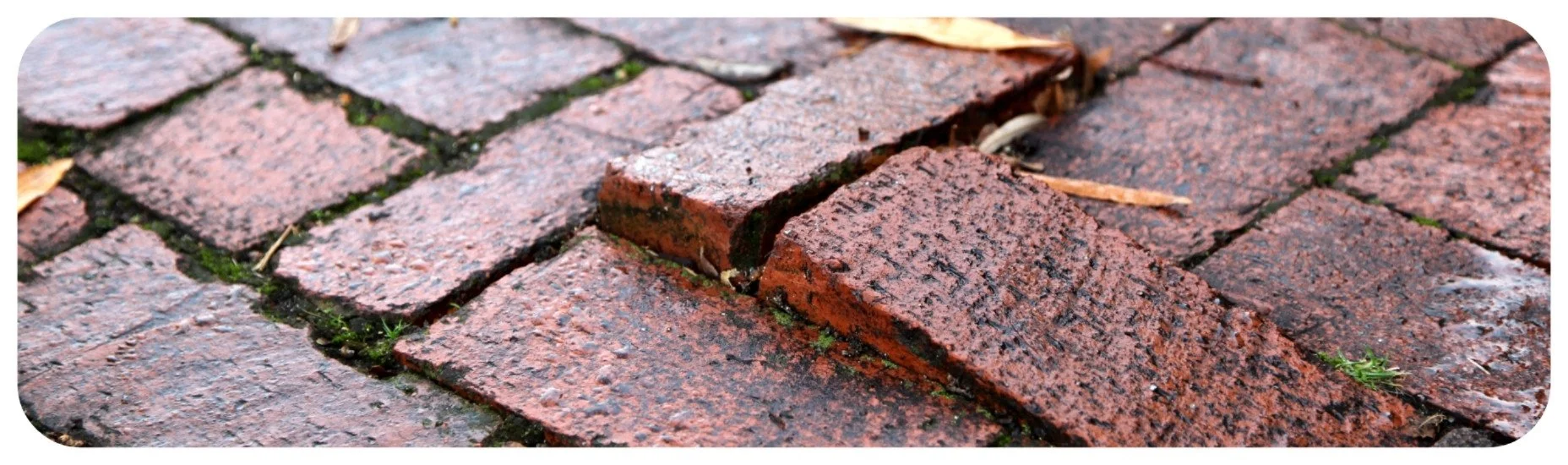
Slip and Fall Accidents. Wet floors, icy sidewalks, or uneven surfaces can cause serious falls and injuries.
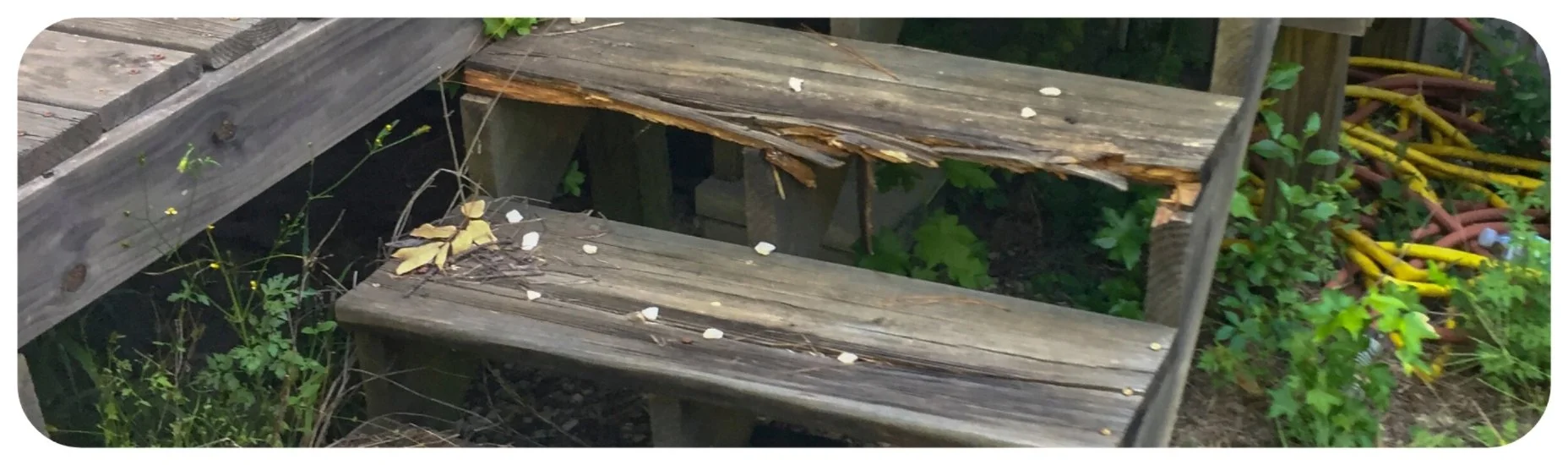
Trip and Fall Hazards. Broken steps, loose carpets, or cluttered walkways can lead to preventable accidents.
Inadequate Security. Poor lighting, broken locks, or lack of security measures can result in assaults or robberies.
Falling Objects. Items falling from store shelves or construction sites can cause devastating head and neck injuries.
Swimming Pool Accidents. Lack of barriers, unsafe decks, or poor supervision can result in drownings or catastrophic harm.
Dog Bites on Property. Property owners may be held liable when animals are not properly controlled.
Fire and Electrical Hazards. Unsafe wiring, faulty smoke detectors, or blocked fire exits can cause burn injuries or death.
Premises liability incidents can lead to severe and unexpected injuries, leaving victims facing mounting medical bills, time away from work, and long, difficult recoveries. Nate helps cut through insurance obstacles, guides you through your options, and works to secure the compensation you need to move forward.
See also: Iowa Wrongful Death Lawyer and Iowa Workers’ Compensation Lawyer.
What Are the Most Common Premises Liability Injuries in Iowa?
As an Iowa catastrophic injury and wrongful death lawyer, Nate knows that unsafe property conditions can lead to everything from painful soft-tissue injuries to life-changing disabilities and even death. Some of the most common injuries in Iowa premises liability cases include:
Broken Bones and Fractures. Falls can lead to broken arms, legs, hips, or ribs that can require surgery and rehabilitation.
Head and Brain Injuries. Slips, trips, or falling objects can cause concussions or traumatic brain injuries.
Spinal Cord and Back Injuries. Herniated discs, nerve damage, or spinal fractures can leave victims with chronic pain or paralysis.
Amputations. Severe accidents involving machinery, elevators, or fire hazards can result in traumatic amputations.
Burn Injuries. Electrical hazards, fires, or chemical spills may cause serious burns requiring long-term care.
Facial Injuries and Scarring. Falls or falling objects can cause facial fractures, eye injuries, or permanent scarring.
Wrongful Death. The most tragic outcome of a premises accident is the loss of life, leaving families devastated and financially burdened.
Injuries from dangerous property conditions can impact every part of life, from your health and mobility to your ability to work and care for your family. As an experienced Iowa premises liability lawyer, Nate is dedicated to helping victims and their families recover the compensation they need for medical treatment, rehabilitation, and long-term stability.

What Damages Can You Recover After a Premises Liability Accident in Iowa?
In Iowa, victims of premises liability accidents may be entitled to financial compensation, known as damages, from the responsible property owner or business. Compensation typically falls into three categories: economic damages, non-economic damages, and punitive damages. In most cases, payment comes from the property owner’s liability insurance, not directly from the individual.
Economic Damages
Economic damages cover the measurable financial costs of your injury. They compensate for both expenses you’ve already paid and future costs you are likely to face as a result of the incident.
Medical Expenses. This includes emergency care, hospital stays, surgeries, rehabilitation, physical therapy, medications, and any ongoing or future treatment.
Lost Wages. If your injury caused you to miss work, you may recover the income you lost during your recovery.
Loss of Earning Capacity. If your injuries limit your ability to work in the future – for example, if you can no longer perform the same job or maintain the same hours – you may be entitled to damages for reduced earning potential.
Non-Economic Damages
Non-economic damages address the personal toll of an injury – the hardships that can’t be measured on a bill or receipt. These damages recognize the ways an accident can change your quality of life.
Pain and Suffering. Compensation for the physical pain, discomfort, and emotional distress caused by the injury.
Loss of Function. When an injury limits your ability to use a body part or engage in daily activities, you may be entitled to damages for permanent or partial loss of function.
Punitive Damages
Punitive damages are not common, but they may be awarded when a property owner’s conduct was especially reckless or willful. For example, if a landlord ignored repeated safety complaints about a hazardous condition that later caused injury, a jury could award punitive damages to punish that conduct and discourage others from acting the same way.
What to Do After a Premises Liability Accident in Iowa?
Knowing what to do after being injured on unsafe property is essential. Taking the right steps can make a major difference in protecting your health and the outcome of your case. Below are important steps to follow after a premises liability accident in Iowa.
Report the Accident. Notify the property owner, manager, or landlord right away. Ask for a written incident report if possible, and make sure the hazardous condition is documented before it’s cleaned up or repaired.
Document the Scene. If you are able, take photos or videos of the dangerous condition, your injuries, and any surrounding hazards such as poor lighting, spills, broken steps, or missing signage. Collect contact information for any witnesses, as their statements may help support your claim later.
Seek Medical Care. Even if you feel only slightly injured, some premises-related injuries, such as concussions, internal injuries, or soft-tissue damage, may take hours or days to show symptoms. Get evaluated by a doctor, follow their treatment plan, and keep records of all visits, bills, and symptoms.
Preserve Evidence. Keep the clothing, shoes, or other items you were wearing at the time of the accident, as they may provide important clues about what happened. Save any communications you receive from the property owner, manager, or insurance company.
Contact an Attorney. Before speaking with insurance adjusters or accepting any settlement, consult an experienced Iowa premises liability attorney. Nate can help preserve evidence, handle communications with insurers, and protect your rights while you focus on recovery.
Taking these steps can protect your health and your legal rights. As an experienced Iowa premises liability attorney, Nate is here to guide you through the process and fight for the compensation you deserve.
Who Pays for Damages After a Premises Liability Accident in Iowa?
In most premises liability cases, the property owner’s liability insurance covers damages such as medical expenses, lost income, and pain and suffering. In complex cases, multiple policies may apply – for example, the landlord’s coverage, a commercial tenant’s insurance, or a property management company’s policy. Nate works to identify all possible sources of coverage and hold every responsible party accountable.
If the property owner is uninsured or underinsured, you may still have options. Your own homeowner’s policy may provide some coverage, and in certain cases, other third parties may share liability. Nate reviews every potential avenue to help ensure you don’t miss out on the recovery you deserve.
See also: Iowa Wrongful Death Lawyer and Iowa Workers’ Compensation Lawyer.
How Long Do You Have to File an Iowa Premises Liability Claim?
In Iowa, the statute of limitations for most premises liability claims is two years from the date of the accident. This is a strict deadline – if you miss it, you lose your right to pursue compensation.
In some cases, the timeline is even shorter. If your claim involves a city, county, or other government entity – such as a municipal building or public sidewalk – shorter deadlines and special notice requirements may apply.
Evidence in premises liability cases disappears quickly. Hazards are repaired, spills are cleaned, and surveillance footage may be deleted within days. That’s why it’s important to contact an experienced Iowa premises liability lawyer like Nate right away to protect your rights and start building your case.
Do You Need a Lawyer After an Iowa Premises Liability Accident?
Insurance companies frequently try to minimize premises liability claims by shifting blame or downplaying the seriousness of injuries. They may argue that the hazard was obvious, or that the injuries are less severe than reported. Too often, their settlement offers fail to account for the true cost of ongoing medical treatment, lost wages, or lasting impairments.
Having an experienced Iowa premises liability lawyer on your side levels the playing field. Nate investigates the incident, works to preserve critical evidence, consults with experts, and challenges insurance company tactics. While you focus on recovery, Nate fights for the full and fair compensation you deserve.
FAQs
-
Under Iowa premises liability law, property owners, landlords, and businesses may be held responsible when unsafe or dangerous conditions on their property cause injuries to lawful visitors.
-
Depending on the circumstances, liability in an Iowa premises liability case may fall on a business owner, landlord, homeowner, property manager, contractor, or municipality responsible for maintaining the property.
-
Iowa premises liability claims may include slip and fall accidents, icy sidewalks, trip hazards, falling merchandise, broken stairs, negligent security incidents, dog bites, fires, electrocution, swimming pool injuries, amusement park accidents, and other injuries caused by unsafe property conditions.
-
In Iowa, a premises liability claim typically requires showing that a property owner knew or should have known about a dangerous condition and failed to fix or address it before someone was injured.
-
If you are injured on someone else’s property in Iowa, report the incident to the property owner or manager, take photos of the hazard and your injuries, gather witness information, seek medical care, and consider contacting an Iowa premises liability lawyer before speaking with insurance adjusters.
-
Yes. Under Iowa’s modified comparative fault rule, you may recover compensation in a premises liability claim if you were less than 51 percent at fault, although your damages are reduced by your share of responsibility.
-
Most premises liability claims in Iowa must be filed within two years of the injury. Claims involving government-owned property may have shorter notice or filing deadlines. Because missing a deadline can permanently bar your claim, it is important to contact an attorney as soon as you believe you may have a valid claim.
-
Yes. In Iowa, property owners have a duty to reasonably inspect for, clean up, or otherwise address hazardous conditions within a reasonable amount of time, including temporary hazards such as spills, snow, or ice.
-
Injuries in Iowa premises liability cases may include broken bones, head or traumatic brain injuries, back or spinal injuries, soft tissue injuries, and ligament damage. In more severe cases, falls or unsafe property conditions can lead to permanent disability or wrongful death.
-
Yes. Iowa law requires property owners to reasonably inspect for and address hazardous conditions, including snow or ice. If a business or landlord failed to do so for a parking lot or sidewalk, you may have a slip and fall claim.
-
In most Iowa premises liability cases, compensation is paid through the property owner’s liability insurance rather than directly from the owner’s personal funds.
-
An Iowa premises liability claim may recover compensation for medical expenses, lost income, pain and suffering, and loss of mobility or function.
-
Every premises liability case in Iowa is different. The value of a case depends on several factors, including the seriousness of the injuries, the evidence supporting who was responsible, and the available insurance coverage.
-
You are not required to hire a lawyer, but an Iowa premises liability accident lawyer can help protect your rights, strengthen your claim, and negotiate with insurers for fair compensation.
-
Not before speaking with an attorney. Insurance companies often try to obtain recorded statements that can be used to limit or deny an Iowa premises liability claim. An Iowa premises liability accident lawyer can handle communications on your behalf.
-
Yes. An Iowa premises liability claim may be based on negligent security when inadequate lighting, broken locks, or insufficient security measures contribute to an assault or robbery.
-
Not every injury on a business’s property leads to liability. In Iowa, businesses must reasonably inspect and maintain their premises. If a business fails to address a dangerous condition and someone is injured as a result, it may be responsible for the injuries.
-
If a landlord knew about a safety hazard and failed to fix it within a reasonable time, they may be liable for injuries under Iowa law. The outcome often depends on how long the condition existed and whether the landlord took steps to address it.
-
Surveillance footage and other evidence can be lost or deleted over time. That is why it is important to act quickly if you believe you have a claim. An attorney can take steps to help preserve surveillance footage and other evidence in an Iowa premises liability case.
-
In Iowa, property owners may have additional responsibilities when a dangerous condition could attract children who may not understand the risk. If the owner knew or should have known about the danger, they may be liable for injuries.
-
An injury at a friend’s home does not automatically create liability. In Iowa, a claim depends on whether the homeowner failed to reasonably maintain safe conditions. If so, compensation is usually paid through the homeowner’s insurance rather than personal funds.
-
An injury that occurs while working on someone else’s property may involve workers’ compensation and possibly a premises liability claim. An attorney can help determine which claims may apply under Iowa law.
-
In an Iowa premises liability case, evidence may include maintenance logs, prior complaints, inspection records, employee testimony, and surveillance or camera footage showing the condition existed long enough to be discovered.
-
Most premises liability claims in Iowa settle without going to court. However, if the insurance company refuses to offer fair compensation, your lawyer may need to take the case to trial.
-
The timeline for an Iowa premises liability case in Iowa varies based on the severity of the injuries, insurance disputes, and whether a lawsuit is required. Some cases resolve in a few months, while more complex cases can take a year or longer.
-
Even if a property owner does not have enough insurance, you may still have legal options. A lawyer can help determine whether the owner can be pursued directly and whether other insurance coverage may apply.
-
Possibly. Under Iowa premises liability law, property owners may still have a duty to act reasonably to prevent foreseeable harm, even when a hazard is open and obvious.
-
After a premises liability accident in Iowa, medical bills are often paid first by your health insurance. The property owner’s liability insurance may later be responsible for reimbursing those expenses through a settlement or judgment.
-
Most Iowa premises liability accident lawyers work on a contingency fee basis, meaning there is no upfront cost. Attorney fees are only paid if compensation is recovered for your injury case.
-
Yes. An Iowa premises liability lawyer can help clients throughout the state, including Des Moines and communities across all 99 Iowa counties.
Des Moines Premises Liability Lawyer Serving Clients Across Iowa
Nate is a premises liability lawyer based in Des Moines, but he represents injured Iowans statewide. Whether you live in Des Moines, West Des Moines, Urbandale, Clive, Waukee, Windsor Heights, Ankeny, Johnston, Altoona, Pleasant Hill, Norwalk, Carlisle, Indianola, Winterset, Adel, Van Meter, Ames, Boone, Marshalltown, Grinnell, Newton, Pella, Iowa Falls, Chariton, Centerville, Lamoni, Atlantic, Clarinda, Spencer, Algona, Cedar Rapids, Iowa City, North Liberty, Waterloo, Cedar Falls, Waverly, Decorah, Fort Dodge, Webster City, Mason City, Charles City, Dubuque, Clinton, Bettendorf, Mount Pleasant, Keokuk, Burlington, Ottumwa, Creston, Denison, Council Bluffs, Davenport, Sioux City, or any other community in Iowa, Nate is here to help.
If you or a loved one has been injured on unsafe property, you don’t need to keep searching for a “premises liability lawyer near me.” Nate represents clients in all 99 counties of Iowa and is prepared to fight for the compensation you deserve.
Get a Free Consultation with an Iowa Premises Liability Lawyer
Nate offers free, confidential case evaluations to anyone injured on unsafe property. During your consultation, you can share what happened, get clear answers to your questions, and learn how an experienced Iowa premises liability lawyer can protect your rights and fight for the compensation you deserve.