

Pedestrian Accidents
Practice Areas > Pedestrian Accidents
Iowa Pedestrian Accident Lawyer
Every day in Iowa, pedestrians walk to work, cross busy intersections, or simply enjoy their neighborhoods. But when drivers are careless, those routine moments can turn tragic. Without the protection of a vehicle, pedestrians are completely exposed – and the force of a collision can lead to catastrophic injuries. Broken bones, traumatic brain injuries, spinal cord damage, and even fatalities are far too common after pedestrian crashes.
The risks are especially high because even a slow-moving car can cause life-changing harm. National data shows that over 50,000 pedestrians are injured in traffic crashes every year in the United States, and in recent years more than 7,000 pedestrian deaths have occurred annually. For survivors, hospital stays are often longer, medical costs higher, and recovery far more difficult than with other types of accident victims. For families, the impact extends beyond the injuries themselves – bringing lost wages, financial strain, and an uncertain future.
If you or a loved one has been hit by a motor vehicle, you deserve more than quick answers from an insurance adjuster. You deserve a strong advocate. Nate is committed to standing up for pedestrians, protecting their rights, and fighting for the compensation they need to move forward with dignity.
Why Choose Nate for Your Iowa Pedestrian Accident Claim?
Proven Results. Nate has recovered millions of dollars for injured Iowans, drawing on years of experience handling complex accident cases across the state.
Experience with Complex Cases. Pedestrian accident claims can quickly become complicated – especially when distracted drivers, commercial vehicles, or unsafe roadway conditions are involved. Nate understands how to navigate these challenges and works to hold all responsible parties accountable.
Resources to Build Your Case. Proving what happened in a pedestrian crash can require working with accident reconstruction experts, medical specialists, and investigators. Nate has the resources and relationships to help develop strong evidence that supports your claim from every angle.
No Financial Risk. Nate handles cases on a contingency fee basis – meaning you pay nothing unless he secures a recovery for you. This approach allows you to concentrate on healing while Nate takes on the insurance companies.
Trusted by Iowans. Families across Iowa have turned to Nate in their most difficult times and have seen real results. His dedication and advocacy have helped clients rebuild their lives after devastating accidents.




How Can an Iowa Pedestrian Accident Lawyer Help You?
After a pedestrian crash, insurance companies often act quickly to protect their interests and limit what they have to pay. An Iowa pedestrian accident lawyer works to protect injured walkers and their families and helps ensure they receive fair compensation. Here’s how Nate can help:
Uncover Negligence. Nate investigates what caused the crash – whether it was distracted driving, speeding, failure to yield, or another careless act. He gathers evidence, consults with witnesses and experts, and works to hold negligent drivers and other responsible parties accountable.
Stand Up to Insurance Companies. Insurers often try to minimize pedestrian injury claims or shift blame onto the victim. Nate understands their tactics and fights to protect your rights, working to ensure you’re treated fairly throughout the process.
Navigate Insurance Coverage. Pedestrian accidents can involve multiple insurance policies, including those held by the at-fault driver, the victim, or uninsured and underinsured motorist coverage. Nate reviews all available options to help maximize your recovery.
Advance Costs. Nate advances the costs needed to pursue your case – including filing fees, expert witnesses, and investigations – so you can focus on recovery instead of expenses.
Ready for Trial. If settlement negotiations fail, Nate is prepared to take your case to court and fight for full accountability and fair compensation.
Securing fair compensation after a pedestrian accident can be difficult. Insurance companies move fast to protect their bottom line. Nate understands these challenges and works to protect your rights while pursuing the full recovery you and your family deserve.
What Are the Most Common Types of Pedestrian Accidents in Iowa?
Pedestrian accidents can happen in many different situations across Iowa – from busy city intersections to rural roads with limited visibility. These crashes often occur because drivers fail to pay attention, yield the right of way, or adjust to road and weather conditions. Some of the most common types of pedestrian accidents in Iowa include:
Intersection Accidents. Many pedestrian crashes happen at intersections when drivers run red lights, roll through stop signs, or fail to yield in crosswalks.
Low Visibility and Poor Lighting. Inadequate street lighting, dark clothing, and bad weather can make it difficult for drivers to see pedestrians, especially at night.
Drunk and Impaired Driving. Alcohol and drug impairment reduce reaction times and judgment, increasing the risk of preventable pedestrian collisions.
Distracted Driving. Drivers who text, use navigation systems, or look away from the road can easily miss pedestrians in crosswalks, parking lots, or along roadways.
Parking Lot and Driveway Accidents. Crashes often occur when drivers back up without checking their surroundings or speed through parking areas.
Commercial Vehicle Crashes. Large vehicles like buses, delivery trucks, and semis pose a higher risk to pedestrians because of their size, weight, and blind spots.
Unsafe Roadways and Crosswalks. Missing signs, malfunctioning signals, or poorly maintained sidewalks can contribute to pedestrian accidents that could have been prevented.
Hit-and-Run Accidents. Some of the most heartbreaking pedestrian crashes involve drivers who flee the scene, leaving injured victims without immediate help.
Pedestrian accidents can have life-changing consequences, leaving victims and families facing medical bills, lost income, and long recoveries. Nate helps investigate the cause of the crash, identify who is responsible, and pursue the compensation you need to move forward.
See also: Iowa Hit-and-Run Lawyer and Iowa Distracted Driving Lawyer.
What Are the Most Common Pedestrian Accident Injuries in Iowa?
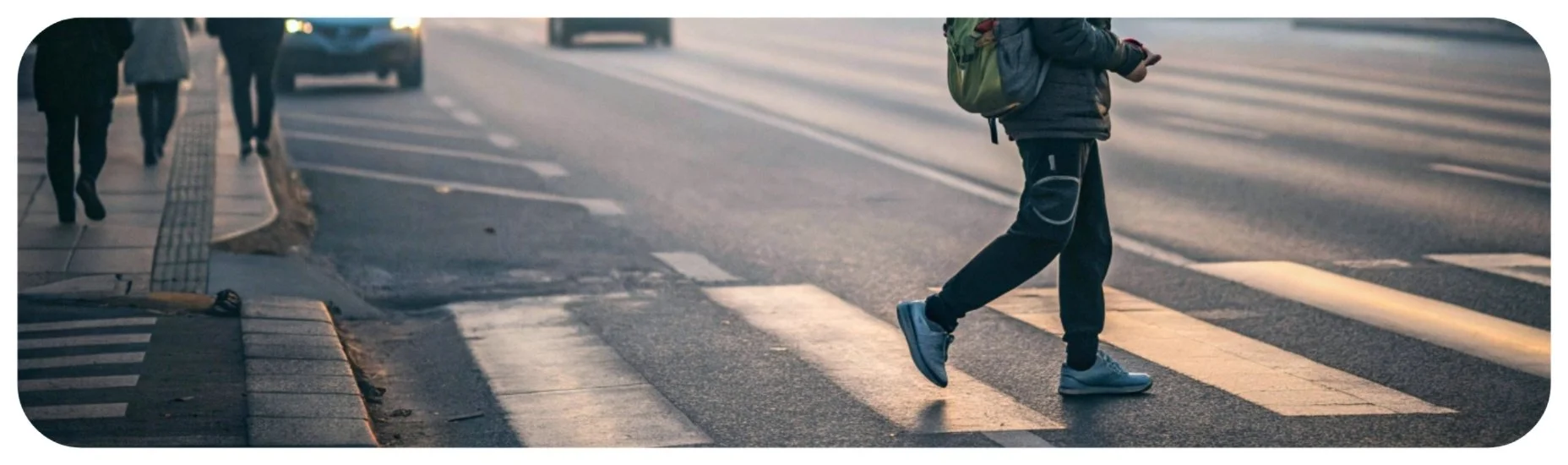
Walking should be one of the safest ways to get around, but when drivers fail to pay attention, pedestrians can pay the price. With no protection from the size and force of a vehicle, even a low-speed impact can cause serious and life-altering injuries. Some of the most common injuries in Iowa pedestrian accidents include:
Broken Bones and Fractures. Pedestrians are especially vulnerable to fractures in the legs, arms, hips, and ribs. Many require surgery, metal hardware, and months of rehabilitation before regaining mobility.
Head and Traumatic Brain Injuries (TBI). Concussions, skull fractures, and severe TBIs are common in pedestrian crashes. These injuries can affect memory, balance, mood, and motor skills, sometimes requiring long-term medical care and therapy.
Spinal Cord and Back Injuries. Being struck by a vehicle or thrown to the ground can cause herniated discs, nerve damage, or spinal fractures. In the most serious cases, spinal cord trauma may lead to partial or complete paralysis.
Amputations. High-impact collisions can cause traumatic amputations or make surgical removal of a limb necessary. Survivors often face extensive rehabilitation, prosthetic fitting, and major lifestyle adjustments.
Facial Injuries and Scarring. Impact with a vehicle or the pavement can result in facial fractures, eye injuries, or deep lacerations. These injuries may require reconstructive surgery and can leave permanent scars.
Internal Injuries. The force of a collision can damage internal organs, cause internal bleeding, or lead to life-threatening complications that aren’t immediately visible. Prompt medical evaluation is critical.
Wrongful Death. The most tragic result of a pedestrian crash is the loss of life. Families are left facing grief, financial hardship, and unanswered questions. A wrongful death claim can help bring accountability and financial relief.
Injuries from pedestrian accidents can affect every part of life – from health and mobility to financial stability and independence. As an experienced Iowa pedestrian accident lawyer, Nate helps victims and families pursue the compensation they need for medical care, rehabilitation, and long-term recovery.
What Damages Can You Recover After a Pedestrian Accident in Iowa?
Pedestrian accidents can lead to serious injuries and major financial strain. Under Iowa law, injured pedestrians may recover compensation – called damages – from the driver or other parties at fault. These typically include economic damages, non-economic damages, and in some cases, punitive damages. Most of the time, payment comes from the at-fault driver’s insurance company, not the driver personally.
Economic Damages
These damages compensate for the direct financial costs of a crash. They cover both past expenses you’ve already incurred and future expenses you’re likely to face, such as medical bills, lost income, and reduced earning capacity.
Medical Expenses. This includes the cost of ambulance transport, hospital stays, surgeries, physical therapy, medications, and any future medical treatment you may need.
Lost Wages. If your injuries prevent you from working, you can recover the income you lost while you were unable to work.
Non-Economic Damages
These damages recognize the human impact of an injury beyond dollars and cents. They account for the physical pain, emotional distress, loss of enjoyment of life, and the loss of function that can make everyday activities and independence more difficult after a serious accident.
Pain and Suffering. Compensation for the physical pain and emotional distress caused by the crash and its aftermath.
Loss of Function. When an injury limits your ability to use a body part or engage in daily activities, you may be entitled to damages for permanent or partial loss of function.
Punitive Damages
Unlike economic and non-economic damages, punitive damages are not meant to compensate the victim. They are intended to punish especially reckless or intentional conduct – such as drunk driving – and to deter others from acting the same way. In Iowa, they are awarded only in rare, extreme cases.
What to Do After a Pedestrian Accident in Iowa?
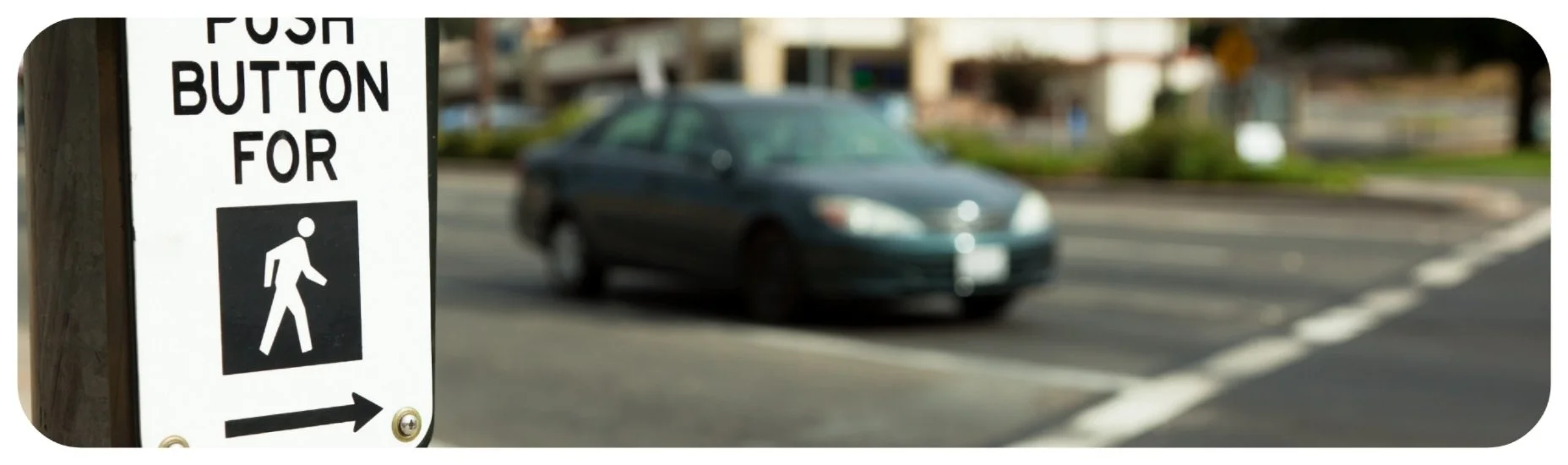
Knowing what to do after a pedestrian accident is essential. The steps you take immediately after being hit by a vehicle can make a major difference in protecting your health, your rights, and the outcome of your claim. Below are important steps to follow after a pedestrian accident in Iowa:
Get to Safety. Move out of traffic if you are able and go to a safe location nearby. Avoid moving too much if you suspect serious injuries, and wait for emergency responders.
Call 911. Report the accident right away. Police and medical personnel can provide care, secure the scene, and create an official report that will be crucial for determining fault and supporting your claim.
Gather Information and Evidence. If you are able, collect the driver’s name, contact information, driver’s license number, insurance details, and license plate number. Take photos or videos of the scene, your injuries, and any nearby traffic signals or crosswalks. If there are witnesses, ask for their names and contact information.
Get Medical Attention. Even if you feel fine, pedestrian accident injuries such as concussions, internal bleeding, or soft tissue damage may not appear right away. Get evaluated by a doctor, follow all treatment recommendations, and keep detailed records of your care and expenses.
Contact an Attorney. Before speaking with the driver’s insurance company or accepting any settlement offer, consult an experienced Iowa pedestrian accident lawyer. An attorney can help preserve evidence, communicate with insurers, and protect your rights while you focus on recovery.
Taking these steps can safeguard both your health and your legal options. As an experienced Iowa pedestrian accident attorney, Nate is here to guide you through the process and pursue the compensation you deserve.
Who Pays for Damages After a Pedestrian Accident in Iowa?
In most pedestrian accident cases, the at-fault driver’s insurance company is responsible for paying damages such as medical expenses, lost income, rehabilitation costs, and pain and suffering. In serious crashes, more than one policy may apply. For example, the driver’s own policy, the vehicle owner’s insurance, or an employer’s commercial coverage if the driver was working at the time of the collision. An experienced Iowa pedestrian accident lawyer knows how to identify every available source of coverage and hold the right parties accountable.
If the at-fault driver is uninsured or does not carry enough coverage, pedestrians may still have options. Your own uninsured or underinsured motorist (UM/UIM) coverage, often part of your auto insurance policy, may apply even though you were walking at the time of the crash. An experienced Iowa pedestrian accident attorney can review your policies, explain how coverage works, and pursue every available avenue for recovery so you do not miss out on the compensation you need.
See also: Iowa Uninsured Accident Lawyer and Iowa Underinsured Accident Lawyer.

How Long Do You Have to File an Iowa Pedestrian Accident Claim?
In Iowa, the statute of limitations for most pedestrian accident claims is two years from the date of the crash. This is a strict deadline – if you miss it, you lose your right to recover compensation, no matter how strong your case may be.
In some situations, the deadline is even shorter. For example, if you are pursuing a dram shop claim against a bar or restaurant that overserved a drunk driver, Iowa law requires that notice be given within six months. Likewise, if your case involves a city, county, or other government entity – such as unsafe crosswalks, broken traffic signals, or poorly lit intersections – there may be special notice requirements that can also shorten the time you have to act.
Evidence in pedestrian cases can disappear fast. Crosswalk markings fade, skid marks wash away, and witness memories grow less reliable with time. If you think you may have a claim, contact an experienced Iowa pedestrian accident lawyer like Nate right away to protect your rights and start building your case.
Do You Need a Lawyer After an Iowa Pedestrian Accident?
After a pedestrian crash, it’s common for insurance companies to downplay injuries or even try to shift the blame onto the person walking. Adjusters and defense lawyers work to limit payouts, often pushing quick settlements that fail to cover long-term medical needs, lost wages, or lasting disability.
Having an experienced Iowa pedestrian accident lawyer on your side levels the playing field. Nate investigates the crash, gathers evidence like traffic camera footage and witness statements, challenges insurance company tactics, and fights for the full compensation you deserve. With Nate handling the legal process, you can focus on your recovery and rebuilding your life.
FAQs
-
After being hit by a car in Iowa, move to a safe location if possible and call 911. Seek medical attention right away, document the scene with photos, gather driver and witness information, and consider contacting an Iowa pedestrian accident lawyer before speaking with insurance companies.
-
Yes. After a pedestrian accident in Iowa, you should see a doctor even if you feel okay. Pedestrian crashes can cause delayed injuries such as concussions or internal trauma, and prompt medical care helps protect both your health and your injury claim.
-
Often, yes. Iowa law generally requires drivers to yield to pedestrians in marked and unmarked crosswalks and to use reasonable care to avoid collisions. However, fault can still depend on where and how the crash occurred.
-
Yes. Iowa follows a fault-based system for pedestrian accidents, meaning the party who caused the crash is responsible for paying damages through insurance.
-
Fault in an Iowa pedestrian accident depends on the specific facts of the case. In many situations, drivers may be at fault for failing to yield, speeding, distracted driving, or ignoring traffic signals, but each case is evaluated based on the evidence.
-
Yes. Even if a pedestrian is struck outside a crosswalk in Iowa, drivers still have a duty to use reasonable care to avoid a collision. Insurance companies may argue that the pedestrian was primarily at fault, but an attorney can help collect evidence to clarify how the crash occurred.
-
Drivers and insurance companies may try to shift blame onto the pedestrian in an Iowa accident case. A pedestrian accident lawyer can help challenge unfair fault allegations and gather evidence to clarify how the crash occurred.
-
Yes. Iowa follows a modified comparative fault rule. You may recover compensation as long as you are less than 51 percent at fault for the pedestrian accident, but your recovery will be reduced by your share of responsibility.
-
Injuries in pedestrian accidents in Iowa may include broken bones, traumatic brain injuries, spinal cord damage, internal injuries, and in severe cases, wrongful death.
-
After a pedestrian accident in Iowa, medical bills are often paid first by your health insurance. The at-fault driver’s auto insurance may later be responsible for reimbursing those expenses through a settlement or judgment. If the driver is uninsured or underinsured, your own uninsured or underinsured motorist coverage may also apply.
-
Usually, yes. In Iowa, uninsured and underinsured motorist coverage may apply when a pedestrian is injured by an uninsured, underinsured, or hit-and-run driver.
-
After a pedestrian accident in Iowa, you may be able to recover compensation for medical expenses, lost income, pain and suffering, and loss of mobility or function.
-
Yes. In Iowa, pedestrian accident claims may include compensation for lost wages, missed work, and future loss of earning capacity if your injuries affect your ability to work.
-
If you were hit by a commercial or delivery vehicle in Iowa, the driver’s employer may be responsible for the collision. These claims often involve commercial insurance policies with higher coverage limits.
-
If the driver fled the scene after hitting you as a pedestrian in Iowa, you may still be able to recover compensation through uninsured motorist coverage. A pedestrian accident attorney can also help locate witnesses, surveillance footage, and other evidence to help identify the driver.
-
Even in low-light conditions, drivers in Iowa are required to use reasonable care and adjust their driving to conditions. A pedestrian accident claim may still be valid, and evidence such as lighting conditions, vehicle speed, and witness statements can help determine fault.
-
Yes. In Iowa, pedestrian accident claims against cities, counties, or other government entities may require notice within a shorter time frame than standard personal injury claims. Because missing a deadline can permanently bar your claim, it is important to contact an attorney as soon as you believe you may have a valid claim.
-
Important evidence in Iowa pedestrian accident cases may include police reports, photos or videos of the scene, witness statements, medical records, and expert analysis showing how the crash happened and who was responsible.
-
Not without legal advice. Insurance companies often use recorded statements to limit or deny pedestrian accident claims. An Iowa pedestrian accident lawyer can handle communications on your behalf.
-
Most pedestrian accident claims in Iowa must be filed within two years of the crash. However, filing deadlines can vary depending on the specific facts of the case. Because missing a deadline can permanently bar your claim, it is important to contact an attorney as soon as you believe you may have a valid claim.
-
The timeline for a pedestrian accident case in Iowa varies based on the severity of the injuries, insurance disputes, and whether a lawsuit is required. Some cases resolve in a few months, while more complex cases can take a year or longer.
-
Most pedestrian accident cases in Iowa settle without going to court. However, if the insurance company refuses to offer fair compensation, your lawyer may need to take the case to trial.
-
The value of an Iowa pedestrian accident case depends on factors such as the severity of your injuries, medical expenses, lost income, long-term effects, and the amount of available insurance coverage.
-
Yes. A wrongful death claim may be filed by the personal representative of the deceased person’s estate, a role often served by a family member. Eligible family members may also pursue loss of consortium damages for the loss of their relationship with their loved one.
-
If alcohol or drugs contributed to a pedestrian accident in Iowa, impaired driving can strongly support liability and may increase the value of your pedestrian injury claim.
-
After a pedestrian accident in Iowa, avoid delaying medical care, speaking with insurance companies without legal advice, accepting a quick settlement, or posting about the accident on social media. These mistakes can seriously harm your injury claim.
-
You are not required to hire a lawyer, but an Iowa pedestrian accident lawyer can help protect your rights, strengthen your claim, and negotiate with insurers for fair compensation.
-
Pedestrian accident cases in Iowa usually involve the same liability insurance as car accidents, but different insurance issues can come up depending on how the accident happened.
-
Most Iowa pedestrian accident lawyers work on a contingency fee basis, meaning there is no upfront cost. Attorney fees are only paid if compensation is recovered for your injury case.
-
You should consider contacting an Iowa pedestrian accident lawyer shortly after a crash, particularly if you suffered injuries or are dealing with insurance companies. Early help can make the process easier and protect your claim.
Des Moines Pedestrian Accident Lawyer Serving Clients Across Iowa
Nate is a pedestrian accident lawyer based in Des Moines, but he represents people who have been hit and injured while walking anywhere in Iowa. Whether you live in Des Moines, West Des Moines, Urbandale, Clive, Waukee, Windsor Heights, Ankeny, Johnston, Altoona, Pleasant Hill, Norwalk, Carlisle, Indianola, Winterset, Adel, Van Meter, Ames, Boone, Marshalltown, Grinnell, Newton, Pella, Iowa Falls, Chariton, Centerville, Lamoni, Atlantic, Clarinda, Spencer, Algona, Cedar Rapids, Iowa City, North Liberty, Waterloo, Cedar Falls, Waverly, Decorah, Fort Dodge, Webster City, Mason City, Charles City, Dubuque, Clinton, Bettendorf, Mount Pleasant, Keokuk, Burlington, Ottumwa, Creston, Denison, Council Bluffs, Davenport, Sioux City, or any other community in Iowa, Nate is here to help.
If you or a loved one has been struck by a motor vehicle, you don’t need to keep searching for a “pedestrian accident lawyer near me.” Nate represents clients in all 99 counties of Iowa and is ready to fight for the compensation you deserve.
Get a Free Consultation with an Iowa Pedestrian Accident Lawyer
Nate offers free, confidential case evaluations to anyone injured in a pedestrian accident. During your consultation, you can share what happened, get clear answers to your questions, and learn how an experienced Iowa pedestrian accident lawyer can protect your rights and fight for the compensation you deserve.