

DOG BITES
Practice Areas > Dog Bites
Iowa Dog Bite Lawyer
Pets are family, and we care for them with love and attention. Along with that love comes the responsibility to make sure they are safe and do not cause harm to others. When a dog bites or attacks, Iowa law makes owners accountable and protects victims. These protections allow people who have been injured to seek compensation for the medical costs, scarring, and emotional trauma that often follow a dog bite.
Every day in the United States, nearly 1,000 people require emergency medical treatment for serious dog bite injuries, and each year more than 12,000 victims are hurt so badly that they must be admitted to the hospital for overnight care. These numbers show just how common and devastating dog attacks can be. Behind each statistic are real people and families coping with painful injuries, lasting scars, emotional trauma, and the financial strain that comes with medical bills and missed work.
If you or a loved one has been injured in a dog attack, turn to Nate, an experienced Iowa dog bite lawyer, for trusted guidance and strong advocacy. Choosing the right attorney can make all the difference – Nate is prepared to fight for you and your family.
IowA’S DOG BITE LAW: STRICT LIABILITY
Iowa has a strict liability dog bite law. Under Iowa Code § 351.28, a dog owner is automatically responsible for all damages caused by the dog when attacking or attempting to bite a person – even if the dog has never bitten before and even if the owner had no reason to believe the dog was dangerous.
There are only a few exceptions, such as:
If the person bitten was committing an unlawful act at the time of the incident,
If the person was teasing, tormenting, or abusing the dog, or
If the dog was rabid (hydrophobia), unless the owner had reasonable grounds to know the dog was rabid and could have taken reasonable steps to prevent the injury.
Outside of these narrow exceptions, the dog’s owner is responsible for the harm caused by the dog when attacking or attempting to bite a person.
Dog Bite Statistics
Dog bites are more common and more serious than many people realize. Each year in the United States, nearly 4.5 million people are bitten by dogs, and about 800,000 of those victims require medical care. On average, almost 1,000 people every day need emergency treatment for dog bite injuries, and more than 12,000 victims each year are hospitalized – meaning their injuries are so severe they require overnight care.
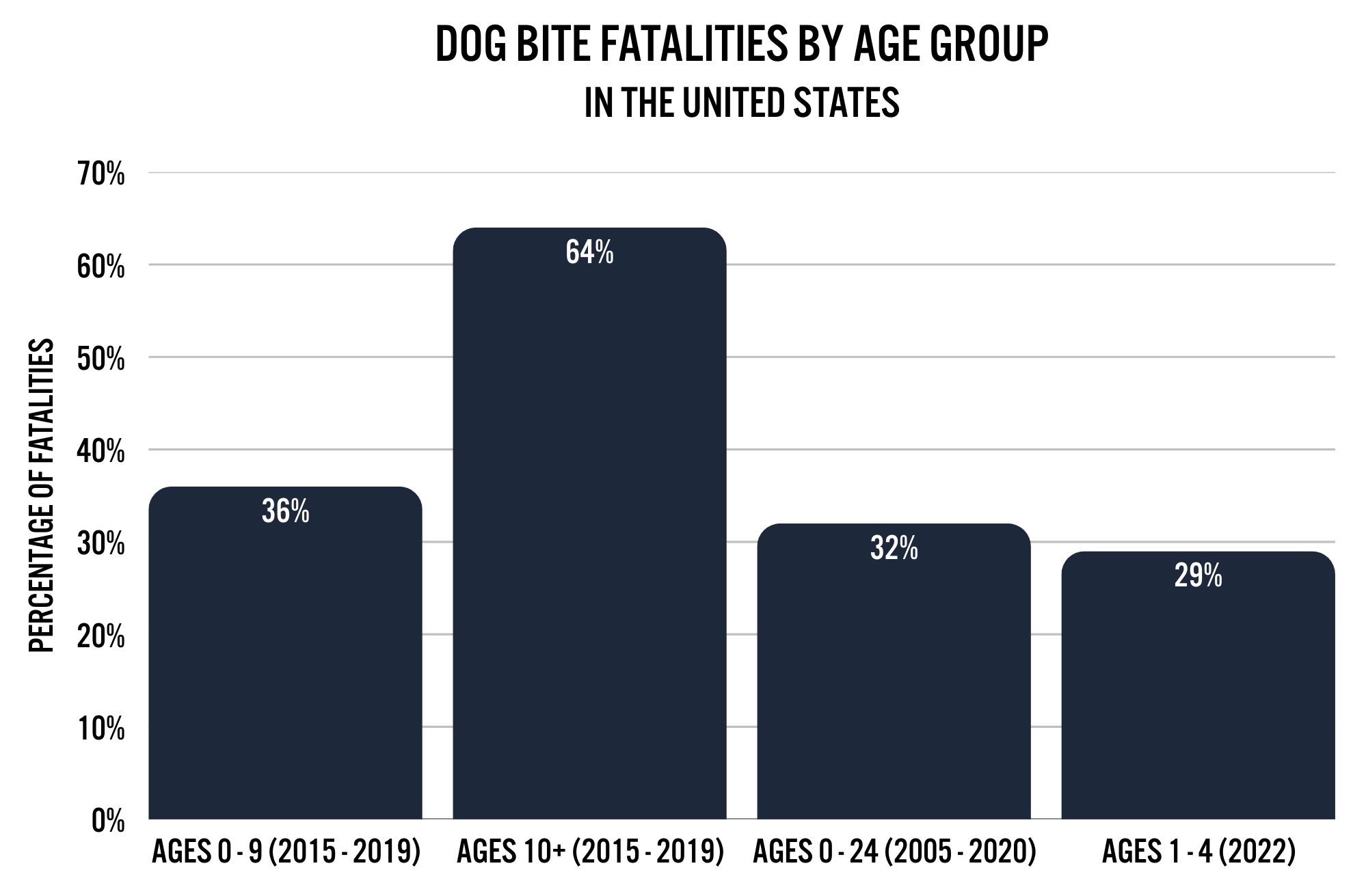
Children are especially vulnerable in serious dog attacks. National data shows that kids, particularly those under age 10, account for a large share of fatal dog bite cases. Toddlers and young children face the greatest risk, often because of their size and inability to recognize warning signs in a dog’s behavior. The chart below highlights how different age groups are affected, with children 1 to 4 years old standing out as one of the most at-risk groups.
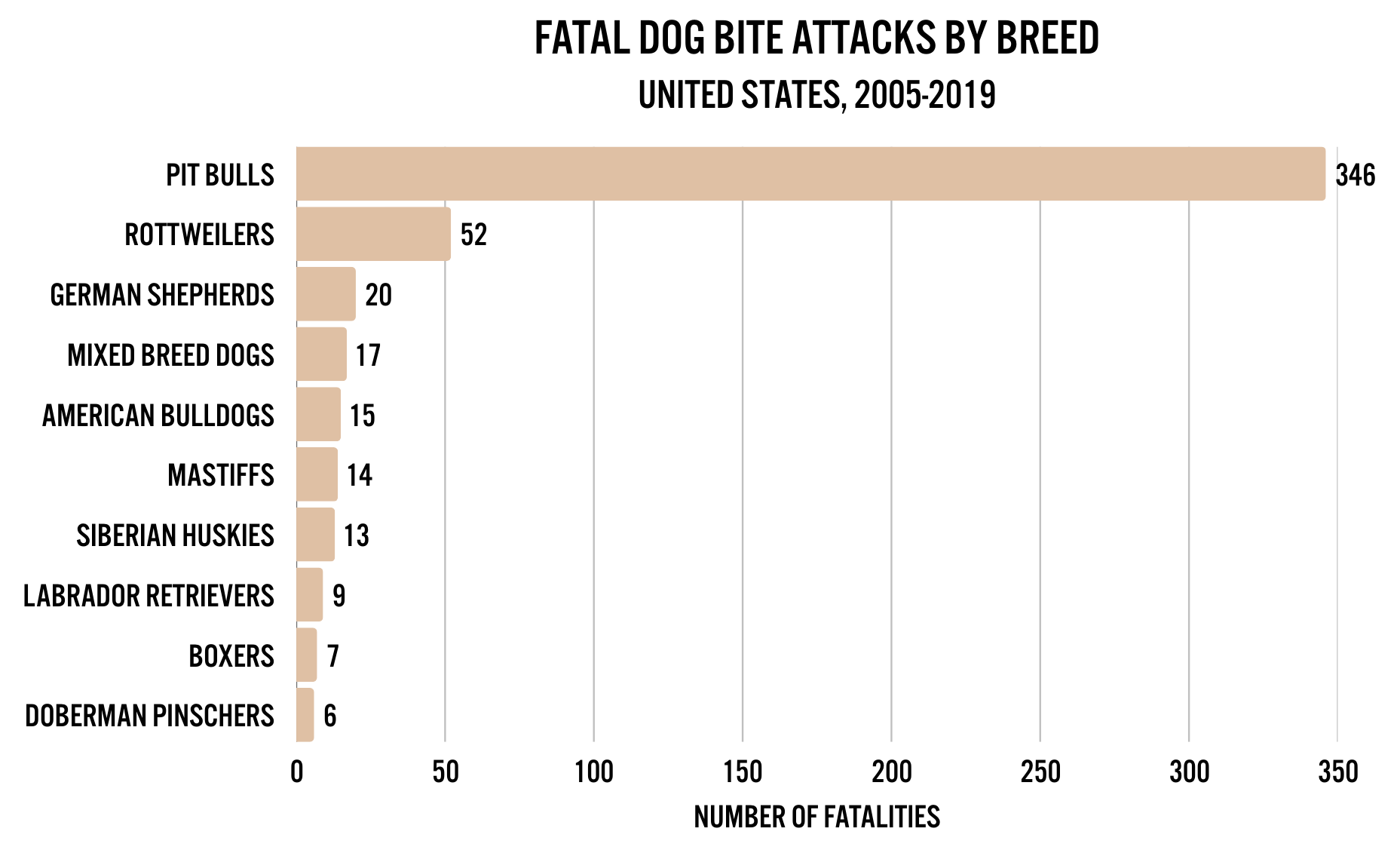
Not all dog breeds pose the same level of risk when it comes to severe or fatal attacks. While any dog can bite, larger and more powerful breeds are more likely to cause catastrophic harm when they do. National data collected from 2005 to 2019 shows that certain breeds appear more frequently in fatal dog bite cases than others. The chart below highlights the breeds most often linked to deadly attacks in the United States.
Here in Iowa, dog bite cases are common across both urban and rural areas. Iowa law recognizes the serious risk posed by dangerous or uncontrolled dogs and makes owners strictly liable for the harm their pets cause. That means if you or your child has been bitten, you have the right to hold the owner accountable.
Behind every statistic are real families coping with painful injuries, medical bills, lost income, and emotional distress. These numbers highlight the importance of seeking both medical care and legal guidance after a serious dog bite.
If you or a loved one has been injured in a dog attack, don’t wait to get help. Contact Nate today for a free consultation with an experienced Iowa dog bite lawyer. He is ready to stand up for your rights and fight for the compensation you deserve.
Why Choose Nate for Your Iowa Dog Bite Claim?
Proven Results. Nate has recovered millions of dollars for injured Iowans, drawing on years of experience handling complex injury cases across the state.
Experience with Complex Cases. Dog bite claims can involve homeowners’ insurance, landlords, and questions of liability under Iowa’s strict liability laws. Nate understands how to navigate these legal and insurance issues to help hold negligent owners accountable.
Resources to Build Your Case. Proving the full impact of a dog bite injury can require working with medical experts, investigators, and animal behavior specialists. Nate has the resources to work with the professionals necessary to help get your case across the goal line.
No Financial Risk. Nate works on a contingency fee basis, meaning you pay nothing unless he obtains a recovery for you. This allows you to focus on your physical and emotional recovery while he manages the legal details.
Trusted by Iowans. Families across Iowa have turned to Nate in their most difficult times and have seen real results. His dedication and advocacy have helped clients rebuild their lives after devastating accidents.




How an Iowa Dog Bite Lawyer Can Help You?
After a dog attack, insurance companies often move quickly to minimize payouts and shift blame onto the victim. An Iowa dog bite lawyer works to protect injured individuals and families, ensuring their rights are respected and their claims are taken seriously. Here’s how Nate can help:
Investigate the Attack. Nate works to uncover what led to the attack by reviewing reports, interviewing witnesses, and identifying whether the dog had a history of aggression or the owner violated leash or containment laws.
Hold Owners Accountable. Dog owners and property owners may deny responsibility or claim the victim provoked the animal. Nate helps establish liability under Iowa’s strict liability laws and works to ensure those at fault are held accountable.
Navigate Insurance Claims. Dog bite cases can involve homeowners’ or renters’ insurance policies. Nate reviews all available coverage, handles communications with insurers, and works to build a strategy to help maximize recovery.
Advance Costs. Nate advances the expenses needed to pursue your claim – including medical experts, investigations, and filing fees – so you can focus on healing while he handles the details.
Ready for Trial. If settlement negotiations fail, Nate is prepared to take your case to court and fight for full accountability and fair compensation.
Getting fair compensation after a dog bite is never easy. Insurance companies often work to limit their responsibility or downplay the seriousness of the injuries. Nate works to protect your rights, investigates the facts, and pursues the compensation you and your family deserve.
What Are the Most Common Dog Bite Injuries in Iowa?
As an Iowa catastrophic injury and wrongful death lawyer, Nate knows that dog attacks can cause devastating harm. Even a single bite can leave lasting damage, from painful wounds to permanent disability or death.
Some of the most common injuries in Iowa dog bite cases include:
Puncture Wounds and Lacerations. Dog bites can leave deep puncture wounds that can damage muscles, tendons, and nerves. Severe lacerations may require stitches or reconstructive surgery and can leave lasting scars.
Infections. Dog bites carry bacteria such as Pasteurella and Staphylococcus, and in rare cases rabies. Infections can spread quickly, leading to serious complications and sometimes hospitalization if not treated promptly.
Broken Bones and Crush Injuries. Larger dogs can generate enough force to fracture bones in the hands, arms, legs, or face. These injuries may require surgery, metal implants, and months of rehabilitation.
Head and Facial Injuries. Many victims – especially children – are bitten in the face, head, or neck. These attacks can cause eye injuries, dental trauma, facial fractures, and permanent disfigurement, which may require reconstructive surgery.
Nerve Damage. Severe bites can damage nerves, leading to numbness, weakness, or loss of function in the affected area. In some cases, nerve injuries may be permanent.
Amputations. In extreme cases, especially with repeated or crushing bites, victims may lose fingers, toes, or other extremities. Amputations may require prosthetics, therapy, and long-term adjustment.
Emotional Trauma. Beyond physical wounds, many dog bite survivors experience post-traumatic stress disorder (PTSD), anxiety around animals, nightmares, and lasting psychological scars. Counseling or therapy can be an important part of recovery.
Wrongful Death. The most tragic outcome of a dog attack is the loss of life. Children are especially at risk of fatal bites. Families face not only deep grief but also the financial burden of funeral expenses and lost income. A wrongful death claim can provide accountability and financial support in these devastating circumstances.
The impact of a dog bite reaches far beyond the initial injury. Victims may struggle with long recoveries, lasting scars, emotional trauma, and the financial strain of medical bills or lost income. As an Iowa dog bite lawyer, Nate is dedicated to standing beside victims and their families, fighting to secure the resources they need for healing, stability, and a more secure future.
See also: Iowa Child Injury Lawyer and Iowa Wrongful Death Lawyer.
What Damages Can You Recover After a Dog Bite Injury in Iowa?
In Iowa, people injured in dog attacks may be entitled to financial compensation, known as damages, from the dog’s owner. These damages typically fall into three categories: economic damages, non-economic damages, and punitive damages. In most cases, the compensation is paid by the dog owner’s homeowner’s or renter’s insurance company, not directly by the owner.
Economic Damages
These damages cover the direct financial costs of a dog bite. They include both past expenses you’ve already incurred and future expenses you’re likely to face, such as medical bills, lost income, and reduced earning capacity.
Medical Expenses. This includes ambulance transport, emergency treatment, hospital stays, surgeries, physical therapy, medications, and any future medical care you may need.
Lost Wages. If your injuries prevent you from working, you can recover the income you lost during that time.
Loss of Earning Capacity. If the attack leaves you unable to perform the same job or work the same hours, you may be entitled to damages for lost earning potential.
Non-Economic Damages
These damages compensate for the human impact of a dog bite beyond financial losses. They account for the pain, trauma, and changes to your quality of life that follow a serious attack.
Pain and Suffering. Compensation for the physical pain and emotional distress caused by the bite and its aftermath.
Scarring and Disfigurement. Many dog bites leave permanent scars, particularly on the face, hands, or arms. Victims may recover damages for the physical and emotional toll of visible injuries.
Loss of Function. If nerve damage or other injuries limit your ability to use a body part or perform daily activities, you may be entitled to damages for partial or permanent loss of function.
Punitive Damages
Unlike economic and non-economic damages, punitive damages are not intended to compensate the victim. They are designed to punish especially reckless or intentional conduct – for example, if an owner knowingly allowed a dangerous dog to run loose. In Iowa, punitive damages are awarded only in rare, extreme cases.
What to Do After a Dog Bite in Iowa?
A dog attack can be frightening and overwhelming, but the actions you take in the moments that follow are critically important. Acting quickly and carefully can help protect your health, document what happened, and strengthen your potential claim for compensation.
Get to Safety. Move away from the animal to a secure location to prevent further harm. Make sure the dog cannot attack again, and avoid confronting the owner in the heat of the moment.
Call 911. Report the attack immediately. Emergency responders can provide medical assistance, ensure the scene is safe, and prepare an official report. Ask that animal control be notified to document the incident and verify the dog’s vaccination status.
Gather Information and Evidence. If possible, get the dog owner’s name, address, and contact information, as well as details about the dog’s breed and behavior. Take photos of your injuries, torn clothing, and the location of the attack. If witnesses are present, ask for their contact information – their statements may be valuable later.
Get Medical Attention. Even minor bites can lead to infection or lasting scarring. Seek immediate medical care, follow your doctor’s instructions, and keep copies of all medical records and bills. Document your recovery process to show the full impact of your injuries.
Contact an Attorney. Dog bite cases often involve homeowners’ or renters’ insurance coverage and can be more complex than they appear. Before speaking with an adjuster, contact an experienced Iowa dog bite lawyer. An attorney can help preserve evidence, handle communications, and protect your rights while you focus on recovery.
By following these steps, you give yourself the best chance to protect your health and your legal claim. As an Iowa dog bite attorney, Nate helps victims and families navigate the process and pursue the full and fair compensation they deserve.

Who Pays for a Dog Bite Injury in Iowa?
In most cases, compensation for a dog bite injury is paid through the dog owner’s homeowner’s or renter’s insurance policy. These policies often cover medical bills, lost wages, scarring, emotional trauma, and other damages caused by the attack. In some situations, more than one policy may apply – for example, if the dog belonged to someone living in a rental property or if a landlord’s negligence contributed to unsafe conditions. An experienced Iowa dog bite lawyer can help identify every available source of coverage and work to hold the right parties accountable.
If the dog owner does not have insurance or has inadequate coverage, you may still be able to recover compensation directly from the owner or through other legal avenues. An experienced Iowa dog bite lawyer can explain your options, review the facts of your case, and pursue every path available to secure the recovery you deserve.
See also: Iowa Child Injury Lawyer and Iowa Wrongful Death Lawyer.
How Long Do You Have to File an Iowa Dog Bite Claim?
In Iowa, the statute of limitations for most dog bite claims is two years from the date of the attack. This deadline is strict – if you miss it, you lose your right to recover compensation entirely.
That is why it is so important to act quickly. Medical records, witness statements, and other critical evidence can disappear fast, and legal deadlines arrive sooner than many people expect. If you or your child has been bitten by a dog, contact an experienced Iowa dog bite lawyer like Nate right away to protect your rights and start building your case.
Do You Need a Lawyer After an Iowa Dog Bite?
Insurance companies have lawyers and adjusters whose job is to limit payouts. Victims of dog attacks are often pressured into accepting quick settlements that fail to cover medical bills, scarring, emotional trauma, or long-term care. Having an experienced Iowa dog bite lawyer on your side helps ensure your claim is taken seriously. Nate will investigate the attack, work to gather evidence, handle negotiations, and fight for full and fair compensation so you can focus on healing and rebuilding your life.
FAQs
-
Get medical care immediately, report the dog bite to police or animal control, take photos of your injuries and the dog, gather the owner’s information, and contact an experienced Iowa dog bite lawyer before speaking with insurance companies.
-
Under Iowa’s strict liability dog bite law, the dog owner is typically responsible for injuries caused by their dog, even if the animal has never shown aggression before.
-
No. Under Iowa dog bite law, owners are strictly liable when their dog attacks or bites someone, subject to a few limited legal exceptions.
-
Liability may be limited if the injured person was committing an unlawful act, provoking or harming the dog, or if the dog had rabies and the owner had no reasonable way to prevent the attack.
-
Most Iowa dog bite injury claims must be filed within two years of the attack. However, filing deadlines can vary depending on the specific facts of the case. Because missing a deadline can permanently bar your claim, it is important to contact an attorney as soon as you believe you may have a valid claim.
-
After a dog bite in Iowa, medical bills are often paid first by your health insurance. The dog owner’s homeowner’s or renter’s insurance may later be responsible for reimbursing those expenses through a settlement or judgment.
-
An Iowa dog bite claim may recover compensation for medical bills, infection treatment, surgery, lost wages, pain and suffering, emotional trauma, and permanent scarring or disfigurement.
-
Yes. Under Iowa dog bite law, dog attack claims may include injuries caused by being knocked over or chased, even if the dog did not bite you.
-
Yes. Under Iowa dog bite law, a dog owner may still be held liable even if the dog has never bitten anyone before.
-
Children are strongly protected under Iowa dog bite law. A child injured in a dog bite attack may recover compensation for physical injuries, emotional trauma, and long-term scarring or developmental impacts.
-
Not before speaking with a lawyer. Once a dog bite claim is settled, you cannot pursue additional compensation for future medical care or permanent injuries.
-
Yes. Emotional injuries such as PTSD, anxiety, night terrors, and the need for mental health treatment may be compensable after a dog attack under Iowa law.
-
Yes. An Iowa dog bite injury claim may include future medical expenses, such as scar revision or therapy, especially for children or serious facial injuries.
-
Iowa dog bite injuries may include puncture wounds, deep lacerations, infections, nerve damage, facial injuries, fractures, permanent scarring, and emotional trauma.
-
A dog bite injury claim is a civil case focused on financial compensation. Decisions about quarantine or euthanasia are made separately by local animal control or city officials under local ordinances, not by the civil lawsuit.
-
Yes. Under Iowa dog bite law, a dog owner may be held responsible for injuries caused by their dog whether the attack occurred on private property or in a public place.
-
You may have both a workers’ compensation claim and a separate dog bite injury claim against the dog owner’s insurance. A lawyer can help coordinate both claims and maximize your recovery.
-
Possibly. A landlord may be held liable depending on the circumstances, such as whether the incident occurred in a common area the landlord controls and whether the landlord knew or should have known about the dog’s dangerous tendencies.
-
Dog bite claims are typically paid by the dog owner’s homeowner’s or renter’s insurance, not out of the owner’s personal finances. Using insurance often helps avoid personal financial strain on friends or family.
-
Yes. Violating local leash ordinances or animal control laws can strengthen an Iowa dog bite claim and may help establish the dog owner’s liability.
-
Yes. Iowa law requires that any dog bite or attack be reported to a local health or law enforcement agency. Reporting helps confirm the dog’s vaccination status, protect public safety, and create an official record that may be important for an Iowa dog bite claim.
-
Dog owners and insurance companies may argue that provocation caused the attack, but this does not automatically bar a claim. An attorney can help investigate what actually happened and gather evidence such as witness statements or prior complaints to challenge a provocation defense.
-
To prove liability in an Iowa dog bite case, your attorney gathers medical records, witness statements, photos, animal control reports, and any history of prior attacks, aggression, or leash law violations.
-
You may still pursue compensation directly from the dog owner or through other available insurance sources. An attorney can help identify all possible coverage options.
-
The timeline for an Iowa dog bite claim varies based on injury severity, insurance cooperation, and negotiations. Some cases settle quickly, while others require litigation to reach a resolution.
-
You are not required to hire a lawyer, but an Iowa dog bite lawyer can help protect your rights, strengthen your claim, and negotiate with insurance companies for fair compensation.
-
Most Iowa dog bite lawyers work on a contingency fee basis, meaning you pay nothing up front and only pay if compensation is recovered.
-
Bring photos of your injuries, medical records, witness contact information, animal control reports, and the dog owner’s information if available.
-
Yes. An Iowa dog bite lawyer can challenge delays or denials, file a lawsuit if necessary, and take the case to trial to pursue full compensation.
-
Contact Nate to schedule a free consultation. He will review your dog bite claim, answer your questions, and explain your recovery options under Iowa law.
Des Moines Dog Bite Lawyer Serving Clients Across Iowa
Nate is a dog bite lawyer based in Des Moines, but he represents victims of dog attacks – including children and adults – throughout the entire state. Whether you live in Des Moines, West Des Moines, Urbandale, Clive, Waukee, Windsor Heights, Ankeny, Johnston, Altoona, Pleasant Hill, Norwalk, Carlisle, Indianola, Winterset, Adel, Van Meter, Ames, Boone, Marshalltown, Grinnell, Newton, Pella, Iowa Falls, Chariton, Centerville, Lamoni, Atlantic, Clarinda, Spencer, Algona, Cedar Rapids, Iowa City, North Liberty, Waterloo, Cedar Falls, Waverly, Decorah, Fort Dodge, Webster City, Mason City, Charles City, Dubuque, Clinton, Bettendorf, Mount Pleasant, Keokuk, Burlington, Ottumwa, Creston, Denison, Council Bluffs, Davenport, Sioux City, or any other community in Iowa, Nate is here to help.
If you or a loved one has been injured in a dog attack, you don’t need to keep searching for a “dog bite lawyer near me.” Nate represents clients in all 99 counties of Iowa and is ready to fight for the compensation you deserve.
Get a Free Consultation with an Iowa Dog Bite Lawyer
Nate offers free, confidential case evaluations to anyone injured in a dog attack. During your consultation, you can share what happened, get answers to your questions, and learn how an experienced Iowa dog bite lawyer can help you pursue the compensation you deserve.