

Dental Malpractice
Practice Areas > Dental Malpractice
Iowa Dental Malpractice Lawyer
When you sit in a dentist’s chair, you expect relief and proper care – not injuries. Unfortunately, when dentists, oral surgeons, or hygienists fail to meet professional standards, the results can be devastating. Dental malpractice can take many forms, from nerve damage during an extraction to anesthesia mistakes, implant failures, or a missed diagnosis of a serious condition like oral cancer. What should have been routine care can instead lead to lifelong pain and complications.
Nate is an experienced Iowa dental malpractice attorney who knows how to navigate these complex and challenging cases. Claims often involve multiple parties – from individual dentists to corporate dental chains – backed by insurers determined to avoid accountability. Nate has recovered millions for injured Iowans and is committed to holding negligent providers responsible so patients and families can rebuild their lives.
If you or someone you care about has suffered because of dental negligence, you don’t have to face the aftermath alone. Nate is an experienced Iowa dental malpractice lawyer who provides the guidance, resources, and relentless advocacy patients need in these complex cases. With Nate in your corner, you can concentrate on recovery while he fights to hold negligent providers accountable and pursue the full compensation you deserve.
Why Choose Nate for Your Iowa Dental Malpractice Claim?
Proven Results. Nate has recovered millions of dollars for injured Iowans, drawing on years of experience handling complex injury cases across the state.
Experience with Complex Cases. Dental malpractice claims can involve technical evidence, expert testimony, and insurance company defenses. Nate understands how to navigate these challenges and works to hold negligent providers accountable for the harm they cause.
Resources to Build Your Case. Proving dental negligence requires more than showing poor results – it takes medical experts who can explain how care fell below accepted standards. Nate works with qualified dental and medical professionals to help build strong, evidence-based cases.
No Financial Risk. Nate works on a contingency fee basis, meaning you pay nothing unless he obtains a recovery for you. This allows you to focus on your health while Nate manages the legal details.
Trusted by Iowans. Families across Iowa have turned to Nate in their most difficult times and have seen real results. His dedication and advocacy have helped clients rebuild their lives after devastating accidents.




How an Iowa Dental Malpractice Lawyer Can Help You?
After a dental procedure goes wrong, dentists, clinics, and their insurance companies can move quickly to deny responsibility or minimize your claim. An Iowa dental malpractice lawyer works to protect patients and families who have suffered preventable injuries. Here’s how Nate can help:
Uncover Mistakes in Treatment. Nate investigates what went wrong and why, whether it involved an improper procedure, a missed diagnosis, nerve damage, or another preventable error. Nate reviews dental records, consults with experts, and identifies where care fell below accepted standards.
Stand Up to Insurance Companies. Dentists and dental offices are backed by professional liability insurers with strong legal teams. Nate works to level the playing field, challenging their defense tactics and fighting to ensure injured patients receive fair compensation.
Navigate Complex Claims. Dental malpractice cases can involve technical medical evidence and questions about causation or long-term harm. Nate works to build a clear, evidence-based strategy to prove negligence and pursue maximum recovery for pain, medical costs, and future care.
Advance Costs. Nate covers the upfront expenses necessary to move your claim forward, including expert reviews, medical records, and filing fees, so you can focus on your health instead of financial stress.
Ready for Trial. If settlement negotiations fail, Nate is prepared to take your case to court and fight for full accountability and fair compensation.
Recovering fair compensation in a dental malpractice case can be complex. Dentists and their insurers often dispute liability and downplay the extent of harm. Nate uses his experience with professional negligence cases to help hold providers accountable and pursue full and fair compensation.
What Types of Iowa Dental Malpractice Cases Does Nate Handle?
Dental malpractice can take many forms, and even a single mistake can cause lasting pain or permanent damage. Some of the most common types of dental malpractice cases include:
Extraction Errors. Mistakes during tooth extractions can lead to nerve injuries, infections, or damage to surrounding healthy teeth and bone. These errors can cause long-term pain and functional problems.
Dental Implant Errors. Improperly placed or secured implants can result in jaw damage, sinus complications, infection, or complete implant failure, which can require corrective surgery.
Nerve Injuries. Damage to the lingual or inferior alveolar nerve can cause permanent numbness, tingling, or severe pain in the tongue, lips, or jaw, impacting daily activities and quality of life.
Anesthesia Errors. Sedation mistakes – such as incorrect dosage, lack of monitoring, or failure to address allergic reactions – can lead to serious medical complications or, in rare cases, death.
Misdiagnosis or Delayed Diagnosis. Failing to detect oral cancer, abscesses, or serious dental disease can allow conditions to worsen, and can lead to advanced infections, disfigurement, or loss of function.
Orthodontic and Restorative Errors. Negligence during procedures like braces, crowns, bridges, or root canals can result in bite problems, chronic pain, or lasting structural damage to teeth and gums.
Dental malpractice can have devastating effects, leaving patients in pain and facing extensive corrective treatment. Nate helps patients understand their legal options and fights to ensure they receive the full and fair compensation they deserve.
See also: Iowa Wrongful Death Lawyer and Iowa Medical Malpractice Lawyer.
How Do You Prove Dental Malpractice in Iowa?
In Iowa, proving dental malpractice means demonstrating that a dentist or other oral healthcare professional failed to provide the level of care that a reasonably careful practitioner would have delivered under similar circumstances – and that this failure caused harm to the patient.
The standard of care in dentistry refers to the skill, judgment, and diligence expected of a competent dentist in diagnosing and treating dental conditions. When a provider deviates from that standard – for example, by performing an unnecessary extraction, damaging surrounding teeth or nerves, failing to diagnose an infection, or overlooking signs of oral disease – that negligence may form the basis of a malpractice claim. Establishing a breach typically requires expert dental review and a careful analysis of treatment records, imaging, and clinical decisions.
The second key element is causation. It’s not enough to show that a mistake was made – the evidence must prove that the dentist’s negligence caused injury or worsened the patient’s condition.
Nate works with experienced dental experts to evaluate the care provided, identify where it fell short, and explain how that failure led to harm. By building a clear, evidence-based link between the dentist’s negligence and the resulting injury, Nate helps patients and families pursue accountability for preventable dental errors.
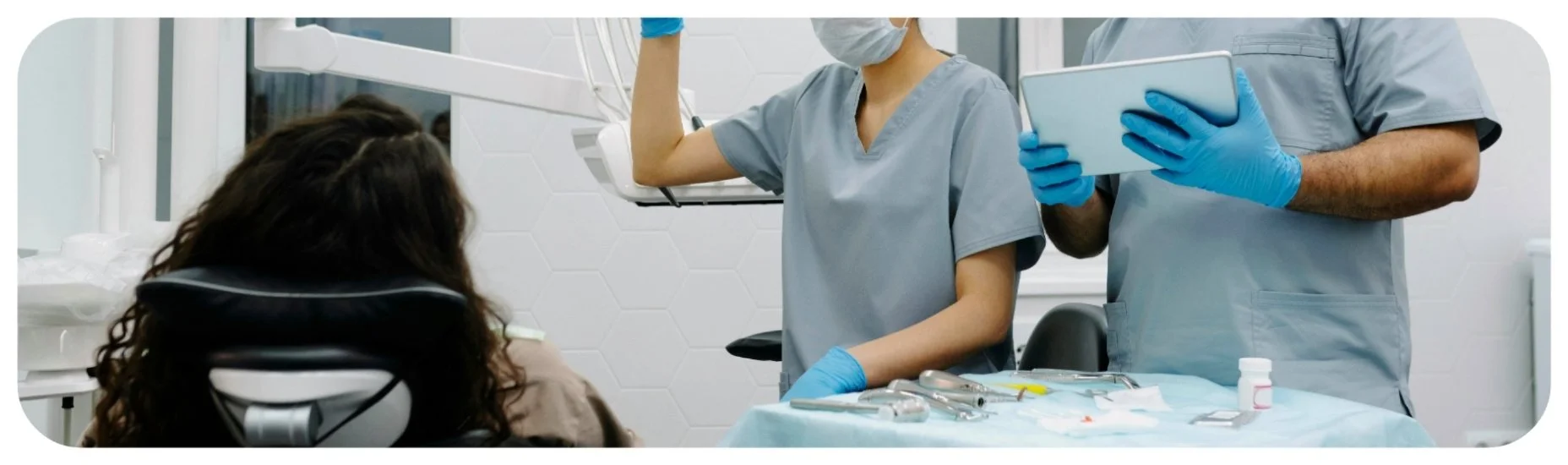
What Are the Most Common Dental Malpractice Injuries in Iowa?
As an experienced Iowa dental malpractice lawyer, Nate knows that dental negligence can cause serious, lasting harm. Mistakes during treatment can lead to chronic pain, nerve damage, infection, and costly corrective procedures. Even what seems like a minor error can result in lifelong complications. Some of the most common injuries in Iowa dental malpractice cases include:
Jaw and Bone Damage. Improper extractions, implant placement, or orthodontic treatment can fracture the jaw or weaken surrounding bone, sometimes requiring reconstructive surgery.
Infections. When infections go untreated, they can spread to the jaw, sinuses, or bloodstream, leading to serious illness, hospitalization, or life-threatening complications.
Tooth and Gum Damage. Injury to healthy teeth or gums during unnecessary or improperly performed procedures can cause pain, sensitivity, and long-term dental problems.
Anesthesia or Sedation Injuries. Errors in administering anesthesia or monitoring patients can cause severe reactions, oxygen deprivation, or other medical emergencies.
Disfigurement and Scarring. Poorly performed dental work, nerve injuries, or infections can leave visible scarring or changes to facial appearance that affect confidence and well-being.
Injuries from dental malpractice can impact every part of life, from your health and appearance to your ability to eat, speak, and work comfortably. As an experienced Iowa dental malpractice lawyer, Nate is dedicated to helping patients and their families recover the compensation they need for corrective treatment, rehabilitation, and a more secure future.
What Damages Can You Recover After Dental Malpractice in Iowa?
In Iowa, patients injured by dental negligence may be entitled to financial compensation, known as damages, from the providers or institutions responsible for their care. These damages generally fall into three categories: economic damages, non-economic damages, and punitive damages. In most cases, the compensation is paid by the dental provider’s insurance company, not directly by the dentist.
Economic Damages
These damages cover the direct financial costs of malpractice, both past and future. They can include medical and dental expenses, lost income, and reduced earning capacity if the injury affects your ability to work.
Medical and Dental Expenses. This includes the cost of corrective dental procedures, oral surgeries, hospital care, medications, and any future treatment you may require.
Lost Wages. If your injuries keep you from working, you can recover the income lost during your recovery period.
Loss of Earning Capacity. If your injuries permanently reduce your ability to work – for example, due to chronic pain, nerve damage, or impaired function – you may be entitled to compensation for diminished earning potential.
Non-Economic Damages
These damages recognize the personal and human impact of malpractice. They account for the physical pain, emotional distress, and loss of quality of life that often follow serious dental injuries.
Pain and Suffering. Compensation for the physical discomfort and emotional impact caused by negligence.
Loss of Function. Damages for permanent or partial loss of sensation, function, or use – such as nerve injuries that cause numbness, tingling, or chronic pain.
Punitive Damages
Unlike economic and non-economic damages, punitive damages are not meant to compensate the victim. They are designed to punish especially reckless or intentional conduct – such as performing a procedure while intoxicated or falsifying records – and to deter others from engaging in similar behavior. In Iowa, punitive damages are rare and awarded only in the most extreme cases.
What to Do if You Suspect Dental Malpractice in Iowa?
The aftermath of a harmful dental procedure can be confusing and stressful. You may be in pain, unsure what went wrong, or facing costly corrective treatment. Taking the right steps early on can help protect your health, preserve important evidence, and strengthen your potential claim for compensation.
Seek Care from a Different Provider. If you are in pain or believe something was done incorrectly, get evaluated by another qualified dentist, oral surgeon, or medical professional. Prompt care can prevent complications and create an independent record of your injuries.
Request Your Dental Records. Ask for copies of your complete dental chart, X-rays, treatment notes, and billing records. These documents are critical to understanding what happened and proving negligence.
Document Your Symptoms and Treatment. Keep detailed notes about your pain, loss of sensation, difficulty eating or speaking, and any corrective procedures you undergo. Photos and written updates can help demonstrate the full impact of the malpractice.
Avoid Discussing the Case with the Original Provider’s Office. Do not sign forms, agree to refunds, or make recorded statements before speaking with an attorney. Anything you say may later be used to minimize your claim.
Contact an Attorney. Dental malpractice claims involve complex medical issues and require expert review. Before dealing with insurers or the dentist’s representatives, consult an experienced Iowa dental malpractice lawyer. An attorney can help gather records, consult with dental experts, and protect your rights while you focus on recovery.
By taking these steps, you give yourself the best chance to protect your health and your legal claim. As an Iowa dental malpractice attorney, Nate is dedicated to guiding injured patients through the process and pursuing the full and fair compensation they deserve.
Who Pays for Damages After Dental Malpractice in Iowa?
In most dental malpractice cases, compensation is paid through the dentist’s or clinic’s professional liability insurance. Depending on the circumstances, responsibility may rest with the treating dentist, a hygienist, or the dental practice itself. In some cases, multiple providers or corporate entities may share liability if several individuals were involved in your care.
These insurance policies are designed to cover losses such as medical expenses, corrective dental work, lost income, and pain and suffering caused by negligent treatment. An experienced Iowa dental malpractice lawyer can review the facts of your case, identify all potential sources of coverage, and pursue the full compensation you deserve.
See also: Iowa Wrongful Death Lawyer and Iowa Medical Malpractice Lawyer.
How Long Do You Have to File an Iowa Dental Malpractice Claim?
In Iowa, the statute of limitations for most dental malpractice claims is two years from the date the injury was discovered (or reasonably should have been discovered), but no later than six years after the negligent dental treatment. Claims involving minors or wrongful death may have different timelines. Because evidence can be lost and deadlines are strictly enforced, it’s important to act quickly if you believe dental negligence occurred.
Do You Need a Lawyer for an Iowa Dental Malpractice Case?
Dentists, oral surgeons, and their insurers typically do not admit negligence when malpractice is alleged. Instead, they may deny wrongdoing, minimize the seriousness of your injuries, or offer settlements that fall far short of covering your losses. Without an experienced advocate, it’s easy to be taken advantage of during this process.
By working with an Iowa dental malpractice lawyer like Nate, you gain an advocate who understands how to navigate complex professional negligence claims. He works to uncover what went wrong, consults with trusted dental and medical experts, and works to build a detailed case supported by evidence. From gathering records and addressing insurance challenges to preparing for litigation when needed, Nate works to protect your rights and pursue the compensation you need to move forward.
FAQs
-
Dental malpractice in Iowa occurs when a dentist or other oral health care provider fails to meet the accepted standard of care and causes injury to a patient. This may include treatment errors, misdiagnosis, anesthesia mistakes, or failure to properly manage complications.
-
You may have a dental malpractice case in Iowa if your injury was preventable and resulted from substandard dental care rather than an expected complication. An Iowa dental malpractice lawyer can review your records and consult experts to determine whether negligence occurred.
-
No. Iowa law does not require perfect results. However, a bad outcome may qualify as dental malpractice if the dentist made avoidable mistakes, failed to follow proper procedures, or ignored warning signs that led to patient harm.
-
Dental malpractice claims in Iowa may involve permanent nerve damage, failed dental implants, jaw injuries, untreated infections, anesthesia complications, or delayed diagnosis of serious conditions such as oral cancer.
-
Yes. In Iowa, patients may bring dental malpractice claims against negligent dentists, hygienists, oral surgeons, dental clinics, and, in some cases, corporate dental chains responsible for substandard care.
-
To prove dental malpractice in Iowa, you must show that the dentist breached the accepted standard of care and that this breach caused your injury. These cases typically require expert testimony from qualified dental professionals.
-
Yes. Dental malpractice cases in Iowa almost always require expert testimony to explain the proper standard of care and how the dentist’s error caused patient harm.
-
In Iowa, most dental malpractice claims must be filed within two years of when the injury was discovered, but no more than six years after the negligent dental treatment. However, filing deadlines can vary depending on the specific facts of the case. Because missing a deadline can permanently bar your claim, it is important to contact an attorney as soon as you believe you may have a valid claim.
-
Iowa follows a discovery rule, which means the filing deadline may begin when you reasonably became aware of the dental injury. An Iowa dental malpractice lawyer can review your case and determine how the discovery rule applies to your situation.
-
In an Iowa dental malpractice case, you may be able to recover compensation for corrective dental care, medical expenses, lost wages, reduced earning capacity, pain and suffering, and permanent injury or disfigurement.
-
Yes. Iowa law places limits on certain non-economic damages in medical malpractice cases, which may affect dental malpractice claims depending on the circumstances. An Iowa dental malpractice lawyer can explain how these damage caps apply to your specific case.
-
In most Iowa dental malpractice cases, compensation is paid through the dentist’s or dental practice’s professional liability insurance rather than directly by the dentist.
-
Filing a complaint with the Iowa Dental Board may address licensing or disciplinary issues, but it does not provide financial compensation. A dental malpractice lawsuit is the proper way to recover damages for injuries caused by negligent dental care.
-
Most Iowa dental malpractice lawyers work on a contingency fee basis, which means you pay nothing upfront and no legal fees unless compensation is recovered.
-
Dental malpractice claims in Iowa are complex and often heavily defended by insurance companies. An experienced Iowa dental malpractice lawyer can gather evidence, work with expert witnesses, and pursue full compensation through negotiation or litigation.
Des Moines Dental Malpractice Lawyer Serving Clients Across Iowa
Nate is based in Des Moines, but he represents dental malpractice victims throughout the state. Whether you live in Des Moines, West Des Moines, Urbandale, Clive, Waukee, Windsor Heights, Ankeny, Johnston, Altoona, Pleasant Hill, Norwalk, Carlisle, Indianola, Winterset, Adel, Van Meter, Ames, Boone, Marshalltown, Grinnell, Newton, Pella, Iowa Falls, Chariton, Centerville, Lamoni, Atlantic, Clarinda, Spencer, Algona, Cedar Rapids, Iowa City, North Liberty, Waterloo, Cedar Falls, Waverly, Decorah, Fort Dodge, Webster City, Mason City, Charles City, Dubuque, Clinton, Bettendorf, Mount Pleasant, Keokuk, Burlington, Ottumwa, Creston, Denison, Council Bluffs, Davenport, Sioux City, or any other community in Iowa, Nate is here to help.
You don’t need to keep searching for a “dental malpractice lawyer near me.”
Nate helps clients in all 99 counties of Iowa and is ready to fight for you.
Get a Free Consultation with an Iowa Dental Malpractice Lawyer
Nate offers free, confidential case evaluations to anyone harmed by dental negligence. During your consultation, you can share what happened, get answers to your questions, and learn how an experienced Iowa dental malpractice lawyer can help you pursue the compensation you deserve.